Category: Portugal Property

  • Portugal Property for Sale: The Smart Investor’s Guide to Europe’s Most Trusted Market

    Portugal Property for Sale: The Smart Investor’s Guide to Europe’s Most Trusted Market

    From the PortugalHousesForSale Property Desk

    Portugal’s Moment in the Sun

    Portugal has long been admired for its Atlantic light, its cobbled streets, and its slow rhythm of life. Yet in recent years, its name has carried a new resonance in global property circles. The phrase “Portugal property for sale” no longer simply describes a Mediterranean aspiration — it signals a serious investment category.

    Across Europe, the Portuguese market has become the embodiment of quiet resilience: a place where political calm, fiscal prudence, and lifestyle quality combine to produce both pleasure and profit. For investors weary of volatility elsewhere, Portugal offers something increasingly rare: a property market underpinned by clarity, transparency, and credibility.

    From Lisbon’s riverside regeneration zones to the golden expanse of the Algarve and the rising coastal towns along the Silver Coast, Portugal continues to attract buyers seeking long-term stability and steady appreciation. It’s a market defined not by hype but by confidence — and confidence, in property, is everything.

    A Market Built on Stability and Transparency

    Portugal’s rise as a global property hotspot has been steady, not speculative. According to the Instituto Nacional de Estatística (INE), average property prices increased by roughly 6–7% last year, reflecting sustainable growth rather than overheating. Across the nation, the average price per square metre sits near €2,300, though figures vary dramatically by region and type.

    In Lisbon, the national capital and economic hub, central neighbourhoods such as Chiado, Príncipe Real, and Baixa command between €5,000 and €7,500 per sqm, while new luxury developments exceed €10,000 per sqm.

    In Porto, Portugal’s second city, prime areas such as Foz do Douro and Boavista average €3,500 to €4,500 per sqm, with modern riverfront conversions achieving higher.

    The Algarve, the country’s tourism heartland, spans from €2,500 per sqm in inland towns to €9,000 per sqm for luxury properties in Quinta do Lago or Vale do Lobo.

    Unlike some southern European markets, Portugal’s regulatory environment discourages speculative overbuilding. Strict planning laws, environmental controls, and a limited land supply have ensured that quality, not quantity, defines the housing sector.

    This deliberate pace has cultivated trust. Buyers know that ownership rights are secure, bureaucracy is manageable, and the legal framework is transparent — all underpinned by the Conservatória do Registo Predial, Portugal’s land registry system, which publicly records every property transaction.

    The International Buyer: A Changing Profile

    Portugal’s international property audience has diversified beyond recognition. Once dominated by British and French buyers, it now includes investors from North America, Scandinavia, and the Middle East.

    The Bank of Portugal and Confidencial Imobiliário report that foreign buyers now account for around 20% of all transactions nationally — a figure that climbs above 40% in certain Algarve municipalities.

    British buyers remain the largest single group, motivated by lifestyle and familiarity.

    French and German investors prize Portugal’s climate, healthcare, and tax efficiency.

    American and Canadian buyers have surged in recent years, drawn by favourable exchange rates and the cultural appeal of Lisbon and Porto.

    Swedes and Dutch nationals continue to favour the Algarve and Silver Coast for long-term relocation.

    Portugal’s property market is distinctive in its accessibility: there are no restrictions on foreign ownership, and purchase costs — including transfer tax (IMT), stamp duty, and legal fees — generally total between 8% and 10% of the agreed price.

    Mortgage finance is readily available, with Portuguese and international banks typically lending up to 70–80% of the purchase price for non-residents. Interest rates remain moderate by European standards, and fixed-rate products have gained popularity among foreign investors seeking predictability.

    Lisbon: Europe’s Quiet Capital of Growth

    Lisbon, once described as the “Cinderella” of European capitals, has become one of its most admired. The city’s combination of heritage, affordability, and investment opportunity continues to attract international attention.

    Districts such as Alfama, Bairro Alto, and Santos have undergone elegant renewal, their centuries-old façades restored for modern living. The Parque das Nações area to the east represents Lisbon’s contemporary face — a skyline of glass, steel, and waterfront apartments.

    According to Savills Portugal, prime Lisbon property prices have risen by an average of 60% over the past five years, albeit from a low base. Yet despite the growth, Lisbon remains comparatively affordable: a luxury apartment that might cost €2 million in Barcelona or Milan is often priced 30–40% lower in Lisbon.

    The rental market, driven by tourism and digital migration, remains strong. Yields between 4% and 6% are typical in well-located areas. Lisbon’s increasing international connectivity — with direct flights to London, New York, and Toronto — further reinforces its global city status.

    Porto: Culture, Authenticity, and Opportunity

    Porto’s architectural beauty and understated confidence have turned it into a magnet for investors seeking an alternative to the capital. The city’s UNESCO-listed centre, its bridges, and its thriving arts scene form part of its enduring charm.

    Real estate development has accelerated along the Douro River, where historic warehouses have been transformed into boutique residences. The Foz and Boavista districts, with their sea views and leafy boulevards, remain the city’s most desirable residential zones.

    Average prices in Porto are around 30–40% lower than in Lisbon, offering strong potential for future growth. Buyers from Germany, France, and Belgium have been particularly active, while American interest is rising sharply.

    The city’s combination of university-driven rental demand and tourism income creates a dual market that appeals to both investors and end-users. Porto’s airport expansion and tech-sector growth suggest its real estate value still has room to climb.

    The Algarve: Portugal’s Sunlit Stronghold

    For decades, the Algarve has defined Portugal’s international real estate appeal. Its mix of climate, coastline, and culture continues to draw buyers from around the world.

    Yet beneath the allure of golden beaches and golf courses lies a sophisticated housing market with enduring fundamentals. The region’s limited developable land, strict building controls, and established infrastructure ensure long-term stability.

    Average house prices across the Algarve sit around €3,400 per sqm, though they vary widely:

    Central Algarve (Vilamoura, Quinta do Lago, Vale do Lobo): €5,000–€9,000 per sqm for premium properties.

    Western Algarve (Lagos, Aljezur, Sagres): €2,500–€4,000 per sqm, with growing interest in eco-resorts.

    Eastern Algarve (Tavira, Olhão, Cacela Velha): €2,000–€3,000 per sqm, appealing to value-focused buyers.

    Tourism remains the engine of rental demand. The Turismo de Portugal agency reports that the Algarve attracts nearly 40% of Portugal’s total overnight stays, supporting a lucrative short-term rental market with annual yields between 5% and 7%.

    Faro International Airport, with direct connections to London, Frankfurt, Dublin, and Paris, provides essential accessibility. Meanwhile, the region’s year-round appeal — enhanced by sports tourism and wellness developments — ensures consistent rental performance beyond the summer months.

    The Silver Coast and Alentejo: Portugal’s Next Wave

    While the Algarve retains its crown, the Silver Coast — stretching from Nazaré to Peniche and beyond — has become Portugal’s fastest-rising coastal region.

    Offering dramatic Atlantic views, surfing beaches, and proximity to Lisbon (just 90 minutes by road), it appeals to buyers seeking value and authenticity. Villas and houses along the Silver Coast average €2,000–€2,500 per sqm, roughly one-third below Algarve levels.

    Resorts such as Praia D’El Rey, West Cliffs, and Bom Sucesso have drawn Northern European investors, while the towns of Óbidos and Caldas da Rainha attract families and retirees. With improved motorway and broadband infrastructure, the region now supports both permanent residents and short-term rental markets.

    Further south, the Alentejo region offers a contrasting landscape — rolling hills, vineyards, and tranquillity. Here, converted farmhouses (herdades) and eco-friendly developments near Comporta command prices of €500,000 to €2 million, depending on scale and proximity to the coast. The area’s understated luxury and focus on sustainability make it Portugal’s most fashionable countryside destination.

    Buying Property: Process and Protection

    Portugal’s property system is among the most transparent in Europe. Purchases follow a clear legal framework that protects both buyer and seller.

    Legal Representation – Buyers appoint a bilingual solicitor (advogado) to verify the property’s legal status and ensure there are no encumbrances.

    Tax Number (NIF) – All buyers require a Portuguese tax identification number, which can be obtained through legal representation.

    Promissory Contract (CPCV) – Once terms are agreed, a contract is signed with a 10% deposit.

    Completion (Escritura Pública) – The final deed is executed before a notary, and ownership is registered at the land registry.

    Transaction costs, including IMT transfer tax and stamp duty, total around 8–10% of the purchase price. Annual property tax (IMI) averages 0.3–0.5%, varying by municipality.

    Foreign buyers can freely repatriate rental income or sale proceeds, and Portugal’s extensive network of double taxation treaties prevents overlapping liabilities for international investors.

    Sustainability: The New Standard of Value

    Portugal’s property market is at the forefront of Europe’s sustainability movement. Building regulations now mandate energy efficiency standards, and Class A or A+ certification is increasingly seen as a mark of prestige.

    New developments routinely integrate solar energy, advanced insulation, and rainwater recycling. The Loulé municipality in the Algarve has introduced incentives for green retrofitting, while Lisbon’s urban renewal projects prioritise low-carbon design.

    Buyers are responding. Homes equipped with renewable energy systems sell faster and command higher resale values, reflecting both environmental awareness and practical economics. Portugal’s 300 days of sunshine a year make solar energy particularly cost-effective, with many households now fully energy self-sufficient.

    Economic Strength and Long-Term Outlook

    Portugal’s property market rests on solid macroeconomic foundations. Over the past decade, the country has diversified its economy beyond tourism, strengthening sectors such as technology, renewable energy, and higher education.

    Lisbon’s start-up ecosystem ranks among Europe’s most dynamic, attracting venture capital and international professionals. Porto’s industrial base and export performance remain strong, while the Algarve’s tourism diversification has reduced seasonal dependency.

    The country’s public finances are considered among the Eurozone’s most disciplined, and its banking system — rebuilt after earlier crises — is conservative and well-capitalised. These factors create a secure backdrop for property investment, ensuring liquidity and confidence even during global uncertainty.

    Analysts forecast moderate but consistent price growth in the coming years, led by Lisbon and the Algarve. Limited new supply, continued foreign demand, and expanding infrastructure all point to steady appreciation.

    Portugal vs. Its European Peers

    When compared with neighbouring property markets, Portugal’s advantages are striking.

    Spain offers scale but faces regional variation and heavier taxation.

    France has prestige but higher purchase and inheritance taxes.

    Italy provides romance but remains mired in bureaucracy.

    Portugal stands apart for its balance of accessibility, value, and reliability. Its legal framework, low transaction costs, and English-speaking professional base make it uniquely approachable for international investors.

    Lifestyle and Wellbeing: The Hidden Dividend

    Portugal’s greatest attraction lies beyond balance sheets. It is a country that delivers a tangible lifestyle dividend — the quiet satisfaction of a better quality of life.

    With over 300 days of sunshine annually, pristine beaches, and a diet recognised by UNESCO as among the world’s healthiest, Portugal offers an enviable climate for body and mind. Crime rates are among the lowest in Europe, healthcare standards are high, and the culture of civility permeates daily life.

    Education provision, including international schools in Lisbon, Cascais, Porto, and the Algarve, makes relocation straightforward for families. English is widely spoken, particularly within the legal and financial sectors.

    For retirees, Portugal’s mild winters and well-regarded healthcare system are decisive factors. For younger professionals, broadband connectivity and remote-working infrastructure make it feasible to balance modern careers with traditional living.

    The Verdict: Portugal’s Enduring Proposition

    Portugal’s property market is not a bubble but a benchmark. It has earned its reputation through transparency, discipline, and consistent performance.

    For investors, it offers strong fundamentals and the reassurance of ownership in a well-regulated EU jurisdiction. For homebuyers, it promises an unmatched combination of affordability, lifestyle, and longevity.

    From Lisbon’s riverfront apartments to Algarve’s coastal villas and Silver Coast’s seaside homes, the search for “Portugal property for sale” reveals something far more enduring than a market trend. It reveals a nation that has perfected the balance between economic stability and human happiness.

    In a world where certainty is rare and value often fleeting, Portugal continues to prove that property — when built on integrity — remains one of life’s most reliable investments.

    Financial Disclaimer: The information provided in this article is for general informational purposes only and does not constitute financial advice. While every effort has been made to ensure the accuracy of the content, market conditions may change, and unforeseen risks may arise. The author and publisher of this article do not accept liability for any losses or damages arising directly or indirectly from the use of the information contained herein.

    Copyright 2025: portugalhousesforsale.com
  • Porto – Portugal’s Second City Rising: A Northern Powerhouse of Culture & Commerce

    Porto – Portugal’s Second City Rising: A Northern Powerhouse of Culture & Commerce

    From the PortugalHousesForSale Property Desk

    The Soul of the North, Reimagined

    For decades, Porto has lived in the shadow of Lisbon — admired for its charm, wine, and weathered beauty but often overlooked by the international spotlight. Today, that balance is shifting. Portugal’s second-largest city has become a magnet for global investors and property buyers seeking authenticity, opportunity, and value.

    Once known mainly as the birthplace of port wine and the gateway to the Douro Valley, Porto has redefined itself as a northern powerhouse — an urban landscape where medieval architecture meets 21st-century enterprise. It remains steeped in history yet fuelled by innovation. From its UNESCO-listed riverfront to its growing technology districts, Porto is no longer a supporting act to Lisbon’s lead. It is, in its own right, one of Europe’s most liveable and investable cities.

    A Market Defined by Strength and Accessibility

    Portugal’s overall housing market has enjoyed a decade of steady appreciation, but Porto’s performance has been particularly notable. The city combines affordability with growth, a rare balance in European property markets.

    According to the Instituto Nacional de Estatística (INE), the average property price in Porto stands at approximately €3,200 per square metre, with prime areas commanding higher premiums. In districts such as Foz do Douro, Baixa, and Boavista, prices typically range from €4,000 to €5,000 per sqm, while new luxury developments along the Douro River and seafront can exceed €6,500 per sqm.

    By comparison, similar-quality properties in Lisbon often start above €6,000 per sqm and stretch well beyond €10,000 for prime real estate. This price differential, coupled with Porto’s growing profile, explains its increasing appeal among international investors.

    Transaction volumes have risen consistently, fuelled by both domestic buyers and foreign purchasers from the UK, France, Germany, Sweden, and, more recently, the United States and Canada. Agents such as Savills Portugal and Fine & Country report that foreign demand now accounts for roughly 30–35% of all prime market activity in the Porto metropolitan area.

    Old World Charm Meets Modern Momentum

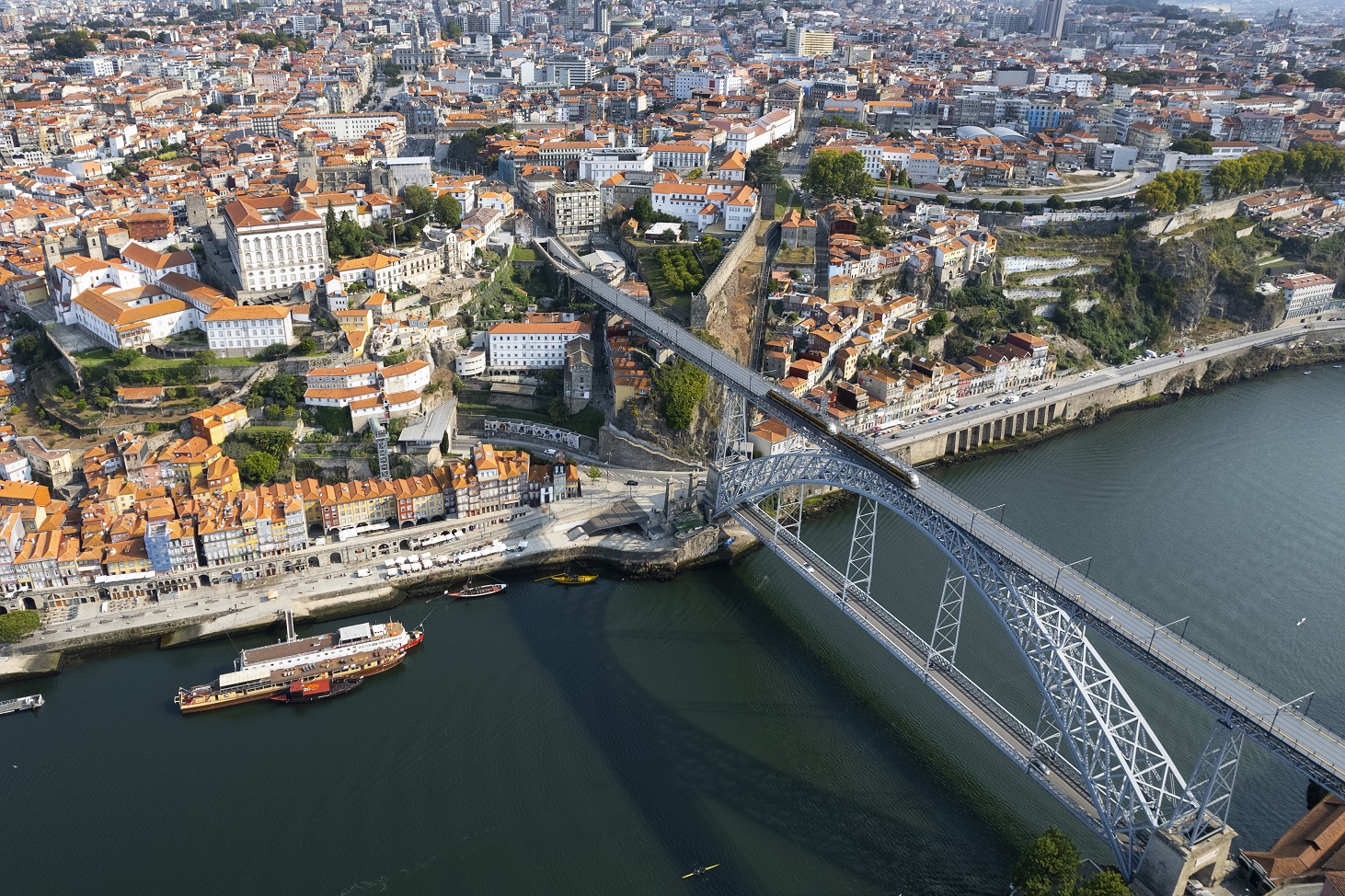
    What makes Porto so compelling is the marriage of its historical authenticity with modern functionality. The city’s ancient core, with its tiled façades and narrow lanes, is beautifully preserved. The Ribeira district, hugging the riverbank beneath the iconic Dom Luís I Bridge, remains one of Europe’s most photographed neighbourhoods — a patchwork of colour, commerce, and community.

    Yet beyond the postcard views, Porto has quietly become an engine of economic dynamism. The city’s university cluster, anchored by the University of Porto, ranks among Europe’s most respected centres of education and research, producing a steady stream of engineers, architects, and entrepreneurs.

    The technology and start-up sectors have expanded rapidly, supported by incubators such as UPTEC and Founders Foundry, and attracting companies in software, AI, and renewable energy. This growth has not only created jobs but also driven sustained demand for housing from a new class of professionals and remote workers.

    A City Built on Connectivity

    Porto’s transformation has been made possible by infrastructure — both physical and digital. The city’s Francisco Sá Carneiro International Airport now handles over 12 million passengers annually, offering direct flights to major European hubs including London, Frankfurt, Paris, and Amsterdam, as well as regular transatlantic services to North America.

    Porto’s public transport system — notably its metro network and efficient suburban rail links — has expanded significantly over the past decade. A new metro line connecting the city centre to the eastern suburbs and a planned link to Vila Nova de Gaia on the opposite bank of the Douro promise to enhance mobility further.

    Meanwhile, Porto’s commitment to digital infrastructure is equally strong. Fibre-optic internet coverage is near-universal, a factor that has drawn international technology firms and digital nomads. The city’s appeal lies in this blend of old-world intimacy and cutting-edge convenience — a lifestyle equation that resonates with investors and homeowners alike.

    Neighbourhoods of Distinction

    Each corner of Porto offers a distinct personality and investment proposition.

    Foz do Douro: The city’s most prestigious address, where the Douro River meets the Atlantic. Home to elegant villas, luxury apartments, and embassies, Foz commands some of the highest prices in northern Portugal. Prime sea-view properties here often exceed €1.5 million, but they offer enduring value and liquidity.

    Boavista: A district of grand avenues, international schools, and high-end retail. Boavista has become a favourite among expatriate families seeking space, safety, and proximity to the city centre. Prices average around €4,000 per sqm, with demand strong for both new-build and renovated period properties.

    Baixa and Cedofeita: Porto’s historical and cultural heart. Once neglected, these neighbourhoods have been transformed by careful regeneration. Apartments in refurbished townhouses start from around €350,000, attracting investors targeting short-term rentals and professionals seeking character-filled homes near cafés, galleries, and boutique hotels.

    Campanhã and Bonfim: The city’s up-and-coming eastern districts. Major infrastructure investment, including a planned transport hub and green spaces, is driving interest here. Entry prices around €2,000–€2,500 per sqm make these areas attractive for investors eyeing medium-term appreciation.

    The Douro Advantage

    No discussion of Porto would be complete without mention of the Douro River, the city’s defining geographic and cultural feature.

    Beyond its aesthetic charm, the river is an economic artery — historically linked to wine exports and now a magnet for leisure and luxury development. Riverfront properties, once industrial warehouses, have been converted into stylish apartments and boutique hotels.

    Across the bridge in Vila Nova de Gaia, developers are creating high-end residential communities that marry city living with panoramic views. Prices here remain around 20% lower than comparable properties in central Porto, yet the gap is narrowing as demand intensifies.

    The World of Wine (WOW) complex — a €100 million cultural and hospitality district launched recently — has further elevated Gaia’s profile, drawing visitors year-round and cementing its position as part of greater Porto’s residential core.

    The Investment Case: Value and Versatility

    Porto’s property market offers an unusual combination of value, yield, and appreciation potential.

    Average gross rental yields range between 4% and 6%, depending on property type and location. Well-managed short-term rental units can achieve 8% or more, though licensing restrictions in the city centre mean most investors now prefer medium- and long-term tenancies, which offer stable income and lower regulatory risk.

    Portugal’s Non-Habitual Resident (NHR) regime continues to attract overseas professionals and retirees by offering favourable tax treatment on certain types of income for up to ten years. Even as the scheme evolves, its core advantage — predictability within a Eurozone jurisdiction — remains intact.

    For corporate investors, Porto’s affordability compared to Western Europe’s capitals makes it attractive for staff housing and development opportunities. Several international funds have entered the market, focusing on boutique residential projects and student accommodation.

    Education, Healthcare, and Quality of Life

    Porto consistently ranks among Europe’s most liveable cities, a fact not lost on foreign buyers relocating for lifestyle as much as investment.

    The National Health Service (SNS) provides universal coverage, while private hospitals such as CUF Porto and Hospital da Luz deliver high-quality care at accessible costs. The healthcare system’s efficiency and bilingual medical professionals add to foreign confidence.

    For families, Porto offers an array of international schools, including the Oporto British School and the CLIP International School, both of which follow British curricula. These institutions, combined with a strong university ecosystem, underpin the city’s reputation as a centre of learning.

    Beyond the practical, Porto’s culture — its cuisine, music, and festivals — provides the intangible quality investors call the lifestyle premium. The pace of life is slower than Lisbon’s but never dull; evenings are for riverbank walks, seafood dinners, and community gatherings. This authenticity is a key differentiator, especially among younger buyers seeking a sense of place rather than polish.

    The Economic Landscape

    Portugal’s broader economy has proved resilient and adaptable, and Porto sits at the heart of this stability.

    The city’s industrial roots have evolved into advanced manufacturing and logistics. The Leixões Port, one of Portugal’s busiest seaports, anchors international trade, while the Matosinhos oil and energy cluster continues to attract foreign investment.

    Technology is the new frontier. Start-ups specialising in green tech, software development, and biotech are flourishing, supported by local universities and EU funding initiatives. Porto’s share of national GDP continues to grow, reinforcing its role as an economic counterweight to Lisbon.

    Employment levels remain healthy, and a surge in international tourism — up 15% year-on-year according to Turismo de Portugal — provides additional stability to the rental and hospitality markets.

    The Buying Process: Secure and Straightforward

    Purchasing property in Porto follows Portugal’s standard, investor-friendly procedure. Foreign ownership is unrestricted, and the process is transparent.

    Legal Representation: A bilingual lawyer (advogado) conducts due diligence, verifying property registration and ensuring no debts or encumbrances.

    Promissory Contract: A Contrato de Promessa de Compra e Venda is signed with a 10% deposit, binding both parties.

    Final Deed: The Escritura Pública is executed before a notary, and ownership is registered at the Conservatória do Registo Predial.

    Buyers should budget for 8–10% in total acquisition costs, covering transfer tax (IMT), stamp duty, and legal fees. Annual property tax (IMI) ranges from 0.3% to 0.5% depending on location and property value.

    Portugal’s double taxation treaties with over 70 countries prevent duplicated liabilities, while currency specialists can help mitigate exchange-rate risks for non-euro buyers.

    Sustainability and the Future City

    Porto’s property sector is aligning with Europe’s green transition. New developments prioritise energy efficiency, low-emission materials, and renewable technologies.

    The Porto City Council’s Climate Action Plan targets carbon neutrality by 2030, encouraging sustainable urban design and electric mobility. Many developers now integrate solar panels, water recycling, and green roofs as standard features — innovations that both enhance comfort and protect long-term value.

    For investors, this environmental shift represents opportunity. Homes with strong Energy Performance Certificates (A or A+) already command premiums of 5–10% over comparable properties lacking sustainability credentials.

    Comparing Porto to Lisbon

    Lisbon may remain Portugal’s economic flagship, but Porto offers a more measured proposition — less crowded, more affordable, and arguably more authentic.

    Average property prices in Porto are 35–40% lower than in Lisbon, yet the yield differential is narrowing. The northern city’s smaller scale ensures less congestion and a sense of community often lost in capital markets.

    Porto’s cost of living is also approximately 20% lower, while its cultural and architectural cachet continues to strengthen. For investors, the equation is clear: Porto represents Lisbon’s growth trajectory — but with more room to rise.

    Long-Term Prospects

    Market analysts anticipate continued growth in Porto’s housing sector, albeit at a sustainable pace. With limited developable land in central areas, demand will increasingly focus on quality refurbishment and new-build sustainability.

    Infrastructure expansion — notably the metro extensions and Douro riverfront regeneration — will further enhance desirability. Foreign interest is expected to remain robust, supported by the city’s expanding flight connections and growing reputation as a cultural and tech hub.

    Crucially, Portugal’s political and fiscal environment remains stable. Unlike some Mediterranean nations, it has avoided heavy-handed property taxation or abrupt regulatory changes, ensuring investor confidence.

    In essence, Porto’s story is one of continuity: a city evolving without losing its essence, a market growing without overreaching.

    The Verdict

    Porto has arrived. Once regarded as Lisbon’s quieter sibling, it now stands as a model of balanced development — combining heritage with progress, and tradition with innovation.

    For buyers and investors, Porto delivers what the modern real estate market increasingly lacks: authenticity backed by structure. Its property values are rising, but not recklessly; its economy is diversifying, but sustainably. And its lifestyle appeal — shaped by history, gastronomy, and hospitality — remains unmatched.

    For those searching “Porto Portugal property for sale”, the opportunity extends beyond investment. It is a chance to participate in the story of a city that has rediscovered itself — not through transformation alone, but through refinement.

    Porto’s future is not about replacing Lisbon, but complementing it. And in doing so, it has become one of Europe’s most attractive places to live, work, and invest.

    Financial Disclaimer: The information provided in this article is for general informational purposes only and does not constitute financial advice. While every effort has been made to ensure the accuracy of the content, market conditions may change, and unforeseen risks may arise. The author and publisher of this article do not accept liability for any losses or damages arising directly or indirectly from the use of the information contained herein.

    Copyright 2025: portugalhousesforsale.com
  • The Benefits of Living in Portugal – Europe’s Brightest Corner of Calm and Confidence

    The Benefits of Living in Portugal – Europe’s Brightest Corner of Calm and Confidence

    From the PortugalHousesForSale Property Desk

    A Nation Where Quality of Life Meets Financial Sense

    There are few countries in Europe today that manage to balance economic stability, lifestyle appeal, and investment opportunity quite as elegantly as Portugal. Once a well-kept secret for retirees and holiday homeowners, it has in recent years evolved into one of the world’s most desirable places to live — a magnet not only for sun-seekers but for digital entrepreneurs, families, and investors searching for security in an uncertain global landscape.

    To live in Portugal today is to enjoy a rare blend of advantages: a safe society, a mild climate, a modern infrastructure, and a cost of living that remains among the most competitive in Western Europe. Add to this the country’s stable economy, welcoming residency policies, and resilient property market, and it becomes clear why Portugal’s appeal is as financial as it is emotional.

    While much of Europe wrestles with rising costs, political division, or social fatigue, Portugal continues to project calm confidence. It is not just a place to holiday, but a place to put down roots — and for many, a place to begin again.

    A European Beacon of Stability

    Portugal’s reputation for stability is more than image; it is measurable. The Global Peace Index consistently ranks it among the five safest countries in the world, placing it ahead of traditional “safe havens” like Switzerland and Canada. For investors and families alike, that statistic has tangible meaning: a country where property, business, and everyday life can flourish without fear of sudden upheaval.

    Crime rates are among the lowest in Europe. Political institutions function predictably. The judiciary is transparent, and property rights are rigorously upheld. That combination — order, safety, and clarity — has become the bedrock of Portugal’s attraction.

    It is also reflected in its economy. Portugal has emerged from the austerity of the early 2010s to become one of the eurozone’s quiet success stories. Growth is steady, debt manageable, and exports strong. Lisbon and Porto have established themselves as centres of innovation and tech investment, drawing talent and capital from across Europe.

    For those seeking a home abroad, the message is simple: Portugal offers security not only of lifestyle but of investment.

    Sunshine, Sea and Space

    If numbers tell one story, Portugal’s landscape tells another. The country enjoys over 300 days of sunshine a year, an Atlantic light that softens everything it touches. Summers are long and golden; winters mild enough to make outdoor living possible year-round.

    From north to south, Portugal’s geography offers astonishing variety. The Algarve is synonymous with sun-kissed beaches, whitewashed villages, and luxury golf estates. Lisbon perches elegantly above the Tagus River, a capital with the soul of a seaside town. Porto, in the north, mixes historic grandeur with a youthful creative pulse. Inland, the Alentejo rolls out a tapestry of cork forests and olive groves, while the Douro Valley carves one of Europe’s most beautiful wine landscapes.

    For those escaping northern climates, this is a revelation. The ability to swim in the Atlantic in October, dine outdoors in February, or walk through vineyards in March changes the rhythm of life completely.

    Even more important, space is plentiful. With a population of just over ten million and a land area comparable to England and Wales combined, Portugal rarely feels crowded. Here, quality of life is measured not by luxury, but by room to breathe.

    A Warm Welcome for Newcomers

    Portugal’s reputation for hospitality is well earned. The Portuguese are instinctively kind and respectful, greeting foreigners not as outsiders but as future neighbours.

    For decades, the country has cultivated immigration and residency policies that reflect this openness. Non-EU residents can obtain visas through the D7 programme (for passive income earners), the Digital Nomad Visa (for remote professionals), or the restructured Golden Visa (now focused on non-residential investment).

    Perhaps the most influential initiative has been the Non-Habitual Resident (NHR) scheme. Designed to attract foreign retirees and skilled professionals, it offers significant tax advantages on foreign income for ten years, alongside exemptions on certain pensions and capital gains. Even with proposed reforms, Portugal remains among Europe’s most fiscally welcoming destinations.

    The bureaucratic process, while thorough, is relatively straightforward compared with other EU states. English-speaking lawyers and estate agents are readily available, and local councils are accustomed to dealing with international residents.

    The result is a community where integration feels natural. Today, Portugal hosts thriving expatriate populations from Britain, France, the Netherlands, Germany, and increasingly, the United States. Walk through a café in Cascais or Tavira, and you’ll hear a dozen accents sharing the same easy rhythm of life.

    A Property Market Built on Substance

    The Portuguese property market has become a cornerstone of the nation’s success — dynamic yet disciplined, international yet grounded.

    According to data from the Instituto Nacional de Estatística (INE), average property prices have risen steadily for over a decade, typically between 8 and 10 per cent per year. Crucially, this growth has been driven by genuine demand rather than speculation.

    Lisbon remains the priciest market, with city-centre homes averaging €5,000–€6,000 per square metre. The Algarve’s coastal hotspots — Quinta do Lago, Vilamoura, Vale do Lobo — can exceed €7,000 per sqm, while Porto averages around €4,000. In contrast, the Silver Coast and inland Alentejo remain affordable, with prices as low as €1,800 per sqm in some towns.

    Financing remains accessible. Portuguese banks routinely lend up to 80% of property value to foreign buyers, often with favourable interest rates and long repayment terms. Transaction costs, including legal fees, stamp duty, and transfer tax (IMT), typically total 8–10% of the purchase price.

    Property taxes are moderate, annual council rates (IMI) average 0.3–0.5% of assessed value, and there is no inheritance tax for direct family members.

    In short, it is a market that rewards prudence. Prices grow at a sustainable pace, rental yields remain solid, and liquidity is supported by a deep pool of international buyers.

    Cost of Living: Europe’s Value Leader

    Portugal offers a standard of living that far outstrips its costs. According to Eurostat, the cost of living here is roughly 30% below the European Union average.

    A comfortable life — housing, dining, healthcare, and leisure — can be maintained on half of what one might spend in northern Europe. A good local restaurant meal rarely exceeds €20 per person, a coffee is under €2, and utilities remain among the lowest in Western Europe.

    Public transport is efficient and inexpensive, with monthly metro and bus passes in Lisbon costing around €40. Groceries, domestic services, and insurance are similarly affordable.

    Even property-related costs — from council taxes to maintenance — are moderate compared with those in France, Spain, or Italy. For retirees and remote workers on fixed incomes, this economic balance is transformative. It allows for comfort without compromise — a luxury in itself.

    Healthcare and Education Excellence

    Portugal’s public healthcare system, the Serviço Nacional de Saúde (SNS), provides universal coverage and is widely regarded as efficient and accessible. Wait times can be longer in rural areas, but private healthcare options are plentiful and affordable.

    A comprehensive private insurance policy costs between €600 and €1,200 per year, offering access to modern hospitals and English-speaking doctors in all major cities. Facilities such as CUF, Hospital da Luz, and Lusíadas Saúde meet international standards.

    Education, too, is strong. Lisbon, Porto, and the Algarve boast a growing number of international schools offering British, American, and IB curricula. Universities such as Nova School of Business and Economics and the University of Porto are globally recognised, attracting international students and faculty.

    For families relocating to Portugal, these systems provide continuity and confidence. The combination of low crime, good schooling, and excellent healthcare makes the country one of the safest and smartest choices in Europe for raising children.

    Digital Portugal: A Nation Reinvented

    While many still picture Portugal through the lens of tradition — cobbled streets, fishing villages, Fado music — it is increasingly a country of innovation.

    Lisbon has become one of Europe’s fastest-growing tech hubs, hosting Web Summit, the continent’s largest technology conference. Porto has established a thriving start-up ecosystem, bolstered by university research and government-backed incubators.

    Remote working has accelerated this transformation. Portugal’s Digital Nomad Visa allows professionals earning from abroad to live and work locally. Regions like Madeira, Ericeira, and Lagos have built communities catering specifically to digital professionals seeking connectivity and climate.

    For investors, this influx of talent and entrepreneurship reinforces housing demand, particularly in mid-range urban markets. For residents, it means living in a country that combines heritage with modern ambition.

    Culture, Cuisine and the Joy of the Everyday

    Portugal’s cultural appeal is rooted in authenticity. It is a nation that modernised without losing its manners.

    From the tiled façades of Lisbon to the azulejo-covered churches of Porto, history is omnipresent — but so is innovation. Contemporary art galleries, film festivals, and design collectives thrive alongside family-run bakeries and local wine cooperatives.

    Food and wine are part of the rhythm of life. Every region has its specialities: Algarve seafood, Alentejo’s slow-cooked stews, Lisbon’s bacalhau à Brás, Porto’s famous francesinha. The country’s wines — Vinho Verde, Douro reds, Alentejo blends, and Port — now compete with the world’s best, yet remain remarkably affordable.

    Markets remain central to daily life. The Mercado do Livramento in Setúbal, the Mercado da Ribeira in Lisbon, and dozens of smaller local markets provide fresh produce at prices that make home cooking a pleasure.

    For many, this is the essence of the Portuguese experience — not luxury defined by excess, but by quality of living.

    Regional Appeal: Choosing Your Portugal

    Portugal’s charm lies in its diversity. Each region offers a different version of the good life.

    Lisbon is cosmopolitan, sophisticated, and dynamic — perfect for professionals and investors seeking city life with sea views. Cascais, its elegant coastal neighbour, combines luxury villas with international schools and a marina lifestyle.

    The Algarve, with its golden beaches and golf estates, remains the favourite among retirees and second-home owners. Towns like Lagos, Tavira, and Albufeira balance natural beauty with modern convenience.

    Porto and the Douro Valley appeal to those drawn to architecture, wine, and authenticity. The Silver Coast, stretching from Nazaré to Peniche, is fast emerging as a family-friendly alternative to the Algarve.

    Further south, the Alentejo coast and Setúbal Peninsula are now attracting international attention for their unspoiled beaches, vineyards, and proximity to Lisbon — often dubbed “the next Algarve.”

    This breadth of choice means that every lifestyle finds its home here — from remote rural tranquillity to vibrant coastal sophistication.

    Sustainability and the Future

    Portugal has become a European leader in sustainability. Over half of its electricity now comes from renewable sources — primarily wind, hydro, and solar. Cities like Lisbon and Porto have introduced electric trams, bike networks, and low-emission zones.

    In real estate, energy efficiency is now standard. Newly built homes must achieve Class A or better ratings, and developers are integrating solar panels, rainwater harvesting, and natural materials as part of mainstream design.

    This environmental commitment is more than virtue; it’s value protection. Buyers increasingly prioritise sustainable homes, knowing that energy-efficient properties command higher resale prices and lower operating costs.

    In a world where environmental consciousness shapes investment, Portugal’s green leadership enhances its credibility as a future-proof destination.

    The Human Factor

    Beyond policy, prices, and property, the real secret of Portugal’s appeal is emotional. It is found in the way life feels.

    The Portuguese are measured in pace but rich in civility. Time here is still something to be savoured — whether over a morning espresso, a beach walk, or a glass of wine at sunset. The noise and rush that dominate much of modern Europe seem to dissipate on Portuguese soil.

    This slower rhythm is not laziness but balance — a recognition that well-being lies not in having more, but in needing less.

    That ethos seeps into everything: the architecture, the meals, the markets, even the way strangers greet you in the street. For newcomers, it is both refreshing and restorative.

    The Verdict

    Portugal’s story is no longer one of discovery but of confirmation. What was once whispered among travellers has now become a global consensus: Portugal is the best place in Europe to live, invest, and retire.

    Its appeal rests on substance: political stability, safety, sunshine, affordability, and a deeply civilised way of life. Its property market offers reliable appreciation and rental opportunity. Its infrastructure supports both leisure and business. And its people embody the warmth that turns a destination into a home.

    For investors, Portugal offers security with upside. For families, it offers opportunity with safety. For retirees, it offers comfort with dignity. And for everyone, it offers something increasingly rare — peace of mind.

    In an age defined by uncertainty, Portugal stands quietly, confidently, as Europe’s calm corner — a nation where the benefits of living are both measurable and immeasurable.

    Financial Disclaimer: The information provided in this article is for general informational purposes only and does not constitute financial advice. While every effort has been made to ensure the accuracy of the content, market conditions may change, and unforeseen risks may arise. The author and publisher of this article do not accept liability for any losses or damages arising directly or indirectly from the use of the information contained herein.

    Copyright 2025: portugalhousesforsale.com

  • Faro – Gateway to the World and the Heart of the Algarve’s Growth

    Faro – Gateway to the World and the Heart of the Algarve’s Growth

    From the PortugalHousesForSale Property Desk

    The City That Connects Continents

    Faro has long been the Algarve’s quiet achiever — a city often seen merely as the region’s transport hub but, in reality, one of its most dynamic, investable, and globally connected centres. As the Algarve’s capital and the administrative heart of southern Portugal, Faro is far more than a landing strip for holidaymakers; it is a place where Portugal meets the world.

    For international investors and buyers, Faro’s growing appeal lies in its balance of lifestyle, logistics, and long-term value. It is both the entry point to one of Europe’s most popular coastal regions and an increasingly attractive place to live, work, and invest in its own right.

    While neighbouring resort towns capture the postcard moments, Faro offers something arguably more substantial: year-round life, real economic infrastructure, and an urban environment that is both authentically Portuguese and globally accessible. For anyone seeking “Portugal property for sale in the Algarve,” Faro represents the best of both worlds — cosmopolitan convenience and coastal charm.

    A City on the Rise

    Faro’s transformation from a sleepy provincial capital into a modern, connected city has been both deliberate and impressive. Once regarded mainly as a transit point, it is now an urban hub with a thriving university, growing tech and healthcare sectors, and a residential market that has come into its own.

    According to the Instituto Nacional de Estatística (INE), the average price per square metre in Faro currently stands at approximately €2,900, reflecting a steady year-on-year increase of around 8%. Prime areas within the city centre, particularly those near the marina, old town (Cidade Velha), and university district, command prices between €3,500 and €4,500 per sqm, while properties on the outskirts — such as Montenegro and Gambelas — remain more affordable, ranging between €2,000 and €2,800 per sqm.

    These figures place Faro well below the prices seen in nearby resort markets like Vilamoura or Quinta do Lago, where values can exceed €8,000 per sqm. For buyers, that price gap offers compelling value, especially when paired with Faro’s strong rental demand and urban infrastructure.

    The Gateway Advantage: Faro International Airport

    Faro’s true global relevance lies in its role as the Algarve’s aviation and logistical hub. Faro International Airport (FAO) is one of Portugal’s busiest, handling over 10 million passengers annually, connecting the region to more than 90 international destinations.

    Direct flights operate daily to major European cities including London, Manchester, Dublin, Paris, Frankfurt, Stockholm, Amsterdam, and Zurich, as well as seasonal routes to North America. Airlines such as TAP Air Portugal, British Airways, easyJet, and Ryanair have made Faro a cornerstone of their southern European networks.

    Recent infrastructure upgrades, including the airport’s expanded terminal, new runway systems, and enhanced passenger capacity, reflect the region’s sustained growth. A proposed high-speed rail link between Lisbon and Faro — part of Portugal’s national mobility plan — promises to cut travel time between the capital and the Algarve to under two hours, further strengthening connectivity.

    For property investors, these developments have tangible implications. Accessibility is a key determinant of property value, and Faro’s transport infrastructure underpins its role as the Algarve’s commercial and residential engine.

    The Real Estate Market: Value, Variety, and Vision

    Faro’s property market combines value with variety, offering something for almost every investor profile.

    Historic Centre: The cobbled streets and terracotta roofs of Faro’s Old Town are among the city’s most recognisable features. Renovated townhouses and boutique apartments here attract both locals and expatriates, with prices between €3,000 and €4,500 per sqm. Investors targeting short-term holiday lets find consistent demand thanks to the area’s proximity to the marina and the ferry links to the Ria Formosa islands.

    Modern Residential Zones: Areas such as Gambelas, Montenegro, and Bom João offer newer apartment developments catering to young professionals, students, and healthcare workers. Prices here start from around €200,000, with strong rental yields in the 5–7% range.

    Suburban and Coastal Communities: The outskirts of Faro, including Santa Bárbara de Nexe and Conceição e Estoi, feature larger villas and traditional farmhouses set amid olive groves and hillsides. Properties with panoramic views or land plots for redevelopment start from around €450,000, appealing to buyers seeking privacy within easy reach of the city and airport.

    A Hub for Education and Innovation

    Faro’s economy has diversified far beyond tourism. The city is home to the University of the Algarve (UAlg), a leading institution with over 8,000 students, many from overseas. The university’s focus on marine sciences, renewable energy, and digital innovation has anchored Faro’s reputation as a regional knowledge centre.

    This academic base has also spurred business growth. Start-ups in biotech, ocean research, and sustainability sectors are establishing operations in the area, supported by EU funding and Portugal’s broader push towards green technology.

    The Gambelas University Campus has become a focal point for innovation, while Faro’s Tech Hub Algarve initiative aims to attract international entrepreneurs and digital nomads by offering flexible workspaces, fibre connectivity, and support services.

    For property investors, the presence of a year-round academic community translates into consistent demand for long-term rentals — a factor that sets Faro apart from purely seasonal resort markets.

    Ria Formosa: Nature Meets Neighbourhood

    Just beyond Faro’s marina lies one of Europe’s ecological treasures — the Ria Formosa Natural Park. This protected lagoon system, stretching 60 kilometres along the Algarve’s coast, forms a living backdrop to the city.

    The Ria Formosa is not only a sanctuary for migratory birds and marine life but also a recreational haven for residents. Boat tours, paddleboarding, and kayaking through the channels have become integral to Faro’s outdoor lifestyle.

    Properties overlooking the Ria Formosa — particularly in the Montenegro and Quinta do Eucalipto districts — command premiums of up to 15–20% over similar homes elsewhere in the city. The appeal is simple: views of water and wilderness within minutes of an international airport are rare anywhere in Europe.

    Infrastructure and Liveability

    Faro combines the convenience of a modern city with the intimacy of a regional capital. It has a robust infrastructure — healthcare, education, transport, and digital connectivity — that supports both full-time living and investment.

    The Centro Hospitalar Universitário do Algarve (CHUA) provides advanced medical care, while private facilities such as Hospital Lusíadas Faro offer international-standard healthcare services. The presence of these institutions attracts medical professionals and retirees alike, supporting the city’s population growth.

    Public transport links across the Algarve are reliable, with Faro serving as the hub for regional rail and coach networks. The A22 motorway connects the city to Spain within 45 minutes and to Lisbon within two and a half hours.

    The city’s commitment to sustainability is evident in its Smart Faro initiative — a municipal programme integrating digital technology into urban management, energy efficiency, and public services. Solar energy projects, electric mobility infrastructure, and green public spaces reflect Faro’s modern outlook.

    The Tourism and Rental Economy

    Tourism remains a key pillar of Faro’s economy, but its evolution has been marked by diversification and quality rather than volume.

    Faro’s marina has become a boutique attraction, with new restaurants, hotels, and waterfront promenades drawing a more refined visitor demographic. The Old Town, with its Roman walls and Gothic cathedral, has been sensitively restored, combining cultural tourism with contemporary leisure.

    While the wider Algarve attracts over 5 million international visitors annually, Faro’s distinct advantage lies in its year-round occupancy. The city benefits from academic, administrative, and professional populations that sustain demand outside the summer months.

    Average rental yields in Faro stand at 5–6% for long-term leases and 7–9% for short-term lets, according to market data from Idealista and Savills Portugal. With low vacancy rates and increasing air connectivity, Faro’s buy-to-let potential continues to strengthen.

    Foreign Investment and Market Confidence

    Portugal’s open and transparent property market remains one of Europe’s most investor-friendly. There are no restrictions on foreign ownership, and all transactions are securely registered through the Conservatória do Registo Predial (Land Registry).

    The buying process is straightforward:

    Obtain a Portuguese Tax Identification Number (NIF).

    Engage a local lawyer to conduct due diligence and verify property records.

    Sign a Promissory Contract (CPCV) with a 10% deposit.

    Complete the sale before a notary (Escritura Pública).

    Total acquisition costs, including transfer tax (IMT), stamp duty, and legal fees, average 8–10% of the property price.

    Portugal’s Non-Habitual Resident (NHR) scheme continues to attract international professionals and retirees by offering favourable tax treatment on certain foreign income for up to ten years. Furthermore, there is no inheritance tax for direct family members, and capital gains are taxed only on realised profits, with exemptions for reinvestment.

    These policies, combined with Portugal’s political stability and Eurozone membership, make Faro an ideal entry point for investors seeking both security and growth.

    Comparative Advantage: Faro versus Other Algarve Cities

    While glamorous destinations like Quinta do Lago, Vale do Lobo, and Vilamoura dominate headlines, Faro offers a subtler — and arguably more balanced — proposition.

    Affordability: Property prices in Faro are, on average, 40–50% lower than in the central Algarve luxury triangle, creating strong potential for value appreciation.

    Connectivity: As the region’s transport hub, Faro enjoys unmatched access to Europe and beyond.

    Diversity: Faro combines urban life, coastal proximity, and ecological beauty — a trio few cities can match.

    Community: With year-round residents and less reliance on seasonal tourism, Faro offers stability.

    For investors seeking steady returns and long-term growth without the volatility of purely luxury markets, Faro stands out as a strategic choice.

    Sustainability and Future Development

    The next phase of Faro’s evolution will be defined by sustainable growth. The municipality’s Urban Regeneration Plan targets key areas for development, including the waterfront, marina zone, and university corridor.

    Mixed-use projects are emerging, blending residential, commercial, and cultural spaces. The Faro Marina Expansion, set to introduce new berths, boutique hotels, and leisure amenities, will enhance the city’s international profile.

    The government’s green urban mobility initiatives — expanding pedestrian routes, electric public transport, and cycle paths — position Faro as a model for sustainable southern European cities.

    Crucially, these improvements are being managed without sacrificing the city’s identity. Faro remains recognisably Portuguese — a blend of Moorish architecture, maritime tradition, and contemporary energy.

    The Lifestyle Proposition

    Life in Faro is an invitation to balance. It is a city where the rhythm of the Atlantic meets the refinement of a European capital. Cafés spill onto sunlit squares, fishermen unload catches beside modern yachts, and evenings unfold to the sound of live fado music echoing through the old streets.

    The Algarve’s 300 days of sunshine per year, combined with Faro’s modest cost of living — roughly 25–30% lower than Lisbon — create an environment where quality of life is tangible. Healthcare is excellent, crime is minimal, and the local community remains welcoming.

    For families, international schools such as Colégio Bernardette Romeira and Nobel Algarve British International School provide multilingual education. For retirees, healthcare and climate advantages combine with fiscal benefits to create one of Europe’s most comfortable retiree environments.

    Whether as a base for exploration or a permanent home, Faro’s lifestyle proposition is deeply persuasive: accessible, authentic, and enduringly human.

    Investment Outlook: The Power of Access

    As global investors look for stable, well-connected markets, Faro stands in a category of its own. Its international airport, central geography, and robust local economy make it not only the Algarve’s gateway but its future growth driver.

    Analysts forecast property price increases of 4–6% annually, driven by rising international demand, infrastructure investment, and the city’s expanding resident population. As the Algarve continues to attract remote professionals, retirees, and entrepreneurs, Faro’s position as both the logistical and cultural heart of the region will only strengthen.

    For investors, the message is clear: Faro represents access — to markets, to lifestyle, and to long-term value.

    The Verdict

    Faro’s rise is one of the Algarve’s most compelling stories. Once overlooked, it has emerged as the linchpin of Portugal’s southern prosperity — a city where connectivity, culture, and capital converge.

    For property investors, it offers the reassurance of real infrastructure and the promise of sustainable growth. For homeowners, it offers a quality of life that remains enviable yet attainable.

    In an era when access defines opportunity, Faro is Portugal’s open door — and it’s wide open to those who recognise its potential.

    Financial Disclaimer: The information provided in this article is for general informational purposes only and does not constitute financial advice. While every effort has been made to ensure the accuracy of the content, market conditions may change, and unforeseen risks may arise. The author and publisher of this article do not accept liability for any losses or damages arising directly or indirectly from the use of the information contained herein.

    Copyright 2025: portugalhousesforsale.com
  • Portugal Homes for Sale: Europe’s Brightest Real Estate Opportunity Shines Stronger Than Ever

    Portugal Homes for Sale: Europe’s Brightest Real Estate Opportunity Shines Stronger Than Ever

    By Portugalhousesforsale.com property research desk

    A New Chapter in Portugal’s Property Story
    Portugal’s property market has grown from a localised Mediterranean favourite to a global benchmark for lifestyle investment. The phrase “Portugal homes for sale” now resonates far beyond the Iberian Peninsula — from London and Stockholm to New York and Dubai — capturing the attention of investors and buyers who see the country not only as a place of beauty, but of stability and value.

    The secret is no longer secret. Portugal offers the rarest of combinations: sunshine, safety, affordability, and a well-regulated property market inside the Eurozone. It is a country that continues to evolve, modernise, and attract international capital without losing its authenticity.

    From Lisbon’s elegant boulevards to the vine-covered hills of the Douro Valley and the sun-drenched villas of the Algarve, the market for Portuguese homes remains one of Europe’s most compelling stories. Unlike the overheated markets of Paris, London, or even parts of Spain, Portugal offers accessible entry points and genuine prospects for long-term growth.

    A Market Built on Fundamentals
    Recent figures from the Instituto Nacional de Estatística (INE) show that Portugal’s residential property prices rose steadily over the past year, supported by sustained foreign demand and limited supply. The average cost of housing nationwide now hovers around €2,300 per square metre, though this varies widely by region.

    In Lisbon, average prices exceed €5,000 per sqm in premium neighbourhoods such as Chiado and Príncipe Real, while in Porto, figures typically range between €3,000 and €4,000 per sqm. Along the Algarve, one of the country’s most sought-after areas for international buyers, luxury villas in Quinta do Lago or Vale do Lobo regularly surpass €7,000 per sqm, while apartments in coastal towns such as Lagos or Albufeira can still be found between €2,500 and €3,500 per sqm.

    What distinguishes Portugal is its balance between value and quality. The country’s rigorous planning system prevents the kind of overdevelopment that has eroded property prices elsewhere in Southern Europe. Demand remains strong across both the domestic and international markets, bolstered by tourism, digital migration, and lifestyle relocations.

    Why Portugal Still Wins on Lifestyle and Logic
    Portugal’s magnetism lies in its ability to combine emotional and financial appeal. Buyers come for the sun and sea but stay for the lifestyle and long-term stability.

    The country enjoys more than 300 days of sunshine annually, a Mediterranean diet that ranks among the world’s healthiest, and a reputation for hospitality that extends naturally to its real estate industry. Portugal is also one of the safest countries in the world, consistently ranking in the top ten of the Global Peace Index.

    From an investment standpoint, Portugal benefits from Eurozone stability, modern infrastructure, and competitive tax policies. Property ownership rights are strong, bureaucracy has been streamlined, and the cost of maintaining a home — from local taxes to utility bills — remains notably lower than in France or Italy.

    The IMI (municipal property tax), for example, averages between 0.3% and 0.5% of the property’s taxable value per year, depending on the municipality. Stamp duty and transfer taxes at purchase are clear and predictable, typically totalling 8–10% of the sale price.

    Meanwhile, Portugal’s Non-Habitual Resident (NHR) regime, although evolving, continues to provide favourable tax treatment for foreign retirees and professionals who choose to make Portugal their home.

    Lisbon: The Beating Heart of Modern Portugal
    Lisbon has transformed from a charming backwater capital into one of Europe’s most dynamic cities. Its pastel façades now overlook a cosmopolitan landscape of entrepreneurs, digital nomads, and global investors.

    The Lisbon Metropolitan Area attracts a broad spectrum of buyers — from those seeking pied-à-terres in historic Alfama or Baixa, to institutional investors funding entire developments in the riverside district of Parque das Nações.

    According to Confidencial Imobiliário, Lisbon saw foreign buyers account for roughly 35% of all transactions in the prime market, with Americans, French, and British leading the charge. Average asking prices in central Lisbon now exceed €6,000 per sqm, with new-build luxury apartments reaching beyond €8,000 per sqm.

    Rental yields remain robust, typically 4–6% in the city centre, fuelled by a healthy mix of long-term tenants and corporate relocations. Demand for serviced apartments and co-living spaces is on the rise, particularly among international professionals working in Lisbon’s fast-growing tech and finance sectors.

    Lisbon’s continued regeneration, coupled with strong transport links — including direct flights to major international cities — ensures its place as Portugal’s economic engine and property showcase.

    Porto: Culture, Heritage, and Growing International Appeal
    Further north, Porto combines tradition with investment potential. Once viewed primarily as Lisbon’s quieter sibling, the city has emerged as a serious alternative for buyers seeking authenticity and value.

    The UNESCO-listed old town, Ribeira, has become a magnet for boutique developers, while neighbourhoods like Foz do Douro and Boavista offer elegant villas and apartments overlooking the Atlantic. Prices are climbing, but remain competitive by European standards — averaging around €3,500 per sqm.

    Major international brands such as Savills and Knight Frank report that Porto’s mix of cultural appeal, business expansion, and infrastructure upgrades continues to draw attention from both investors and lifestyle buyers. The local university scene, combined with the growth of tech start-ups, sustains rental demand and underpins long-term value.

    For investors, Porto represents balance: solid returns, manageable entry prices, and an urban rhythm that’s less saturated than Lisbon.

    The Algarve: Portugal’s Sunlit Investment Capital
    If Lisbon is Portugal’s heart and Porto its soul, then the Algarve is undoubtedly its golden face. Stretching more than 150 kilometres from west to east, this southern coastline embodies Portugal’s international property identity.

    Demand here remains high, driven by British, French, Dutch, and Scandinavian buyers, as well as growing interest from Canada and the United States. According to Turismo de Portugal, the Algarve accounts for nearly 40% of all overnight tourist stays in the country, confirming its position as a perennial draw for investors targeting short-term rental income.

    Homes range from modern sea-view apartments in Albufeira to hillside farmhouses in Silves and luxury villas in Quinta do Lago. The region’s average property price of around €3,400 per sqm hides vast variation between coastal and inland areas.

    Rental yields for well-located properties average 5–7%, rising during peak summer months. With year-round sunshine, top-tier golf courses, Michelin-starred dining, and an airport at Faro connecting directly to London, Dublin, Frankfurt, and Paris, the Algarve’s property market has matured into a robust, long-term investment destination.

    Silver Coast and Beyond: The Quiet Contenders
    Beyond Portugal’s well-known centres, other regions are quietly gaining momentum. The Silver Coast, stretching from Nazaré to Peniche and Óbidos, offers oceanfront living at a fraction of Algarve prices. Properties average €2,000–€2,500 per sqm, and the area’s surfing reputation and proximity to Lisbon make it an emerging hotspot for younger buyers and digital entrepreneurs.

    Further inland, regions such as Évora, Coimbra, and Tomar blend heritage and affordability. These areas are drawing increasing attention from remote workers and eco-conscious investors seeking sustainable lifestyles without premium coastal pricing.

    The Portuguese government’s investment in digital infrastructure and high-speed broadband has also made rural and mid-size towns more viable for long-term residence — a factor that continues to diversify housing demand.

    The Practicalities: Buying Safely and Smartly
    Portugal’s property market is one of the most transparent in Southern Europe, but foreign buyers should proceed with care and professional guidance.

    Reputable estate agents such as Spot Blue International Property, Portugal Sotheby’s International Realty, and Fine & Country Portugal recommend buyers engage a bilingual lawyer early in the process. Legal representation ensures all property documentation — including land registry records and planning permissions — is verified before contracts are signed.

    The purchasing process typically begins with a Contrato de Promessa de Compra e Venda (promissory contract), accompanied by a deposit of around 10% of the agreed price. Completion then takes place before a notary, when the deed (Escritura) is signed and ownership officially transferred.

    Buyers must obtain a Portuguese tax number (NIF), which can be arranged through legal representation, and should budget 8–10% in total acquisition costs. Mortgage finance for non-residents is available from Portuguese and international banks, generally requiring deposits of 20–30% and offering fixed or variable Euro-denominated rates.

    For due diligence, official tools such as the Bank of Portugal’s mortgage simulator and the IMT tax calculator on the government’s Portal das Finanças site provide transparent guidance before purchase.

    Portugal’s Broader Economic Climate
    Portugal’s macroeconomic outlook provides a reassuring backdrop for property investors. Economic growth remains steady, supported by exports, renewable energy, and tourism — which continues to represent roughly 15% of GDP.

    Public finances are considered sound within the Eurozone context, and the country’s banking sector is relatively conservative compared to its southern European peers. This financial discipline contributes to housing market stability.

    Lisbon’s rise as a tech hub and Porto’s expansion in advanced manufacturing have further diversified the economy, reducing dependency on tourism alone. These factors, combined with political stability and infrastructure investment, have reinforced international confidence in Portugal’s housing sector.

    Sustainability: The Future of Homeownership
    Portugal’s property market is increasingly defined by its environmental awareness. New developments emphasise renewable energy, insulation efficiency, and sustainable materials.

    Energy Performance Certificates (EPCs) are mandatory for all property transactions, and homes with Class A or A+ energy ratings attract higher demand and faster sales. Solar power systems, particularly in the Algarve and Alentejo, are now mainstream rather than niche.

    Municipalities such as Loulé and Cascais have adopted carbon-neutral building goals, while local councils offer incentives for retrofitting older properties with eco-friendly technology. For investors, these trends signal not just environmental responsibility but long-term asset durability and appeal.

    Taxation and Ownership Transparency
    One of Portugal’s great strengths lies in its straightforward tax structure. Unlike some Mediterranean countries, Portugal imposes no restrictions on foreign ownership, and property rights are fully protected under law.

    Annual property taxes (IMI) are relatively low, typically 0.3–0.5% of a property’s taxable value, and there is no separate wealth tax. Capital gains tax for non-residents is applied only on realised profit, with allowances for reinvestment.

    The country also maintains double taxation treaties with numerous nations, preventing duplicate taxation for foreign investors. Combined with transparent land registration and digitalised bureaucratic systems, these factors make Portugal one of Europe’s most user-friendly property jurisdictions.

    The Human and Emotional Return
    Beyond data and regulation lies Portugal’s intangible advantage: a sense of belonging. Whether in Lisbon’s tiled alleyways, Porto’s café terraces, or the Algarve’s Atlantic breeze, buyers frequently remark that Portugal feels both European and uniquely welcoming.

    The nation’s measured pace, low crime rate, and strong community ties create a rare environment in modern Europe. For many investors, this emotional return — the comfort of owning a piece of Portugal’s tranquillity — often outweighs any financial metric.

    Looking Forward: Portugal’s Next Decade
    Analysts expect Portugal’s housing market to continue its upward trajectory. With limited new construction, expanding international demand, and a government committed to sustainable growth, the conditions for continued appreciation appear solid.

    While price growth may moderate in line with broader European trends, long-term prospects remain firmly positive. The key factors driving demand — lifestyle, safety, climate, and governance — show no sign of waning.

    Portugal is not chasing speculative spikes; it is nurturing gradual, grounded growth. That steady hand makes it particularly attractive to investors seeking balance between opportunity and stability.

    The Verdict
    Portugal stands as Europe’s quiet success story — an economy and housing market built not on hype, but on consistency. For those searching “Portugal homes for sale,” the appeal extends beyond bricks and mortar. It is an investment in quality of life, political stability, and the enduring charm of a country that continues to modernise without losing its soul.

    From Lisbon’s skyline to the vineyards of the Douro and the beaches of the Algarve, Portugal offers investors and homebuyers something increasingly rare: confidence. In an age of global flux, that might just be the most valuable asset of all.

    Financial Disclaimer: The information provided in this article is for general informational purposes only and does not constitute financial advice. While every effort has been made to ensure the accuracy of the content, market conditions may change, and unforeseen risks may arise. The author and publisher of this article do not accept liability for any losses or damages arising directly or indirectly from the use of the information contained herein.

    Copyright 2025: portugalhousesforsale.com
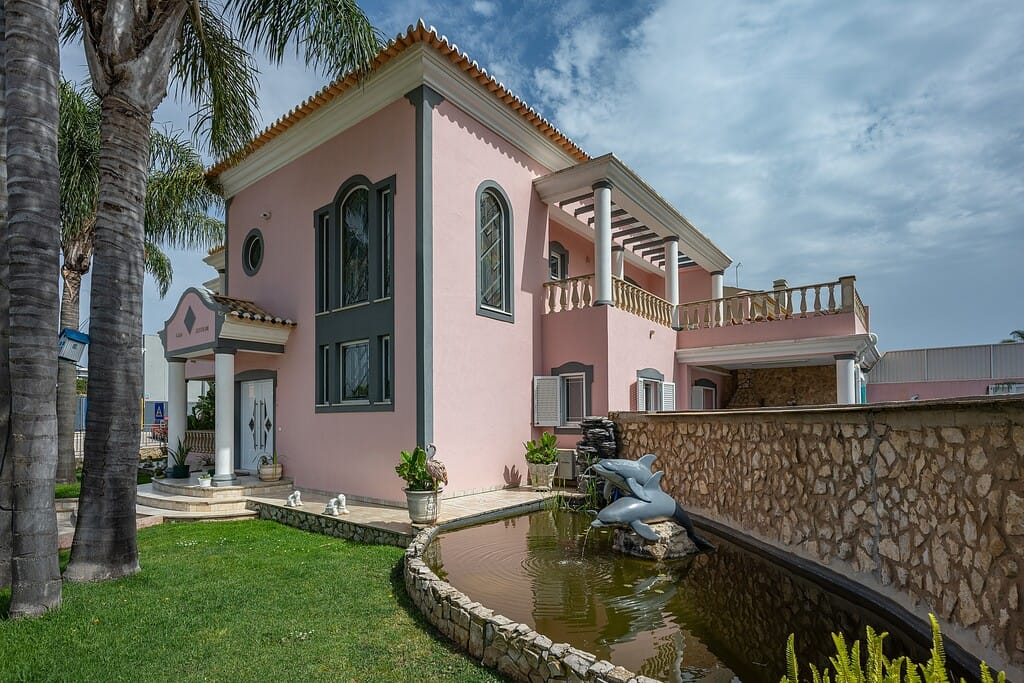
  • Portugal House for Sale – Sunlit Safe Haven for Savvy Property Buyers

    Portugal House for Sale – Sunlit Safe Haven for Savvy Property Buyers

    The Algarve Advantage
    There are few places in Europe where lifestyle and investment potential align so elegantly as in Portugal’s Algarve. A sweep of golden coastline, vineyards, and whitewashed towns frames a region that has quietly become one of the continent’s most desirable and resilient real estate markets. From the Atlantic cliffs of Sagres to the elegant marinas of Vilamoura, the Algarve is no longer merely a holiday playground — it is an investment story with enduring credibility.

    While much of European property scene has oscillated between boom and correction, the Algarve’s market has shown uncommon steadiness. It has done so not by luck, but by design: restrictive planning laws, transparent regulation, and a steady influx of international buyers seeking a safer home for capital. In an era of economic volatility, owning a house in the Algarve has become more than a lifestyle aspiration — it has become a shield against uncertainty.

    A Market Grounded in Real Numbers
    Recent data from Instituto Nacional de Estatística (INE) confirms that the Algarve remains among Portugal’s most expensive yet stable regions. The average property price now stands at around €3,400 per square metre, a figure that has risen steadily rather than spectacularly. Prime addresses such as Quinta do Lago, Vale do Lobo, and Vilamoura regularly surpass €7,000 to €9,000 per square metre, while charming towns like Lagos, Tavira, and Albufeira offer mid-market opportunities closer to €2,500 to €4,000.

    Estate agents including Savills Portugal, Fine & Country Algarve, and Spot Blue International Property report consistent interest from buyers in the UK, France, Germany, Sweden, and increasingly from North America. That diversification of demand has been critical to the region’s stability. British buyers still represent around a quarter of foreign transactions, but Americans and Canadians now feature prominently in premium brackets, often motivated by Portugal’s political stability and favourable tax environment.

    Unlike Spain’s Costa del Sol or France’s Riviera, where speculation has at times inflated values, the Algarve’s property curve tells a more disciplined story — one of controlled appreciation backed by solid fundamentals.

    The Investor’s Equation
    The appeal of the Algarve lies in a simple equation: lifestyle yield plus financial prudence. Investors eyeing “Portugal house for sale – Algarve” listings are not just chasing sunshine but sound economics.

    Rental yields for well-situated properties average 4–6% annually, rising to 7–8% in top-tier resorts during the summer season. Data from the Turismo de Portugal agency shows the Algarve accounts for nearly 40% of the country’s total overnight stays, a reminder that tourism remains the backbone of the region’s rental economy.

    Yet returns are not purely financial. Portugal’s low property taxes — typically 0.3–0.5% IMI (annual municipal tax) — and its transparent transaction framework make it one of the most straightforward property markets for overseas buyers. Capital gains tax is moderate, and double taxation treaties help prevent punitive overlaps for international investors.

    Mortgage rates remain competitive within the Eurozone, and several banks, including Novo Banco and Millennium bcp, offer financing to non-residents. Many foreign buyers, however, are cash purchasers seeking asset security amid global currency fluctuations.

    Lifestyle as Capital
    In truth, much of the Algarve’s value cannot be measured in yield tables. It is embedded in quality of life — the sunshine, the safety, the serenity. Portugal boasts more than 300 days of sunshine a year, one of the highest rates in Europe. The climate alone is a form of return, especially for buyers escaping the grey chill of Northern Europe.

    Healthcare and education systems add another layer of reassurance. The National Health Service (SNS) is frequently praised for efficiency, while private hospitals such as Hospital Lusíadas Faro and HPA Saúde Alvor offer high standards at reasonable costs. The region also hosts several international schools, notably Nobel Algarve British International School and Vale Verde International School, making relocation realistic for families, not just retirees.

    Crime remains low, and English is widely spoken. The Algarve’s sense of community — particularly in towns like Loulé, Silves, and Carvoeiro — makes integration smooth for new arrivals. These are the quiet dividends of Portuguese life that figures alone cannot capture.

    From Coast to Countryside
    No two stretches of the Algarve are alike, and that diversity remains one of its greatest strengths.

    The western Algarve around Lagos and Aljezur combines rugged natural beauty with a younger, creative energy. Surf villages and eco-lodges attract remote workers and entrepreneurs who view the region as both sanctuary and opportunity. Villas here typically start from €600,000, with panoramic ocean views commanding more.

    In the central Algarve, glamour takes centre stage. Vilamoura’s yacht-lined marina, Vale do Lobo’s golf estates, and Quinta do Lago’s manicured enclaves remain the benchmark for luxury living. Villas in these gated communities frequently exceed €3 million, but their scarcity ensures resilience. Holiday rentals are near-guaranteed, with top-end villas fetching €5,000–€10,000 per week during summer months.

    To the east, tranquillity prevails. Tavira, Olhão, and Cacela Velha offer a slower rhythm, traditional architecture, and emerging boutique developments. Prices are gentler — between €2,000 and €3,000 per square metre — yet the area’s potential for growth is significant, buoyed by infrastructure improvements and renewed local investment.

    Sustainability: The New Status Symbol
    Across Portugal, and particularly in the Algarve, sustainability has evolved from niche to necessity. Developers are embracing solar technology, energy-efficient insulation, and sustainable materials. Projects certified with Class A or A+ energy ratings are increasingly sought after, both for environmental reasons and for long-term savings.

    Municipal authorities have introduced incentives for eco-renovations, aligning property development with EU climate goals. Buyers are also responding; agents note that homes with solar water systems or heat pumps now sell faster than traditional builds.

    The Algarve’s natural reserves — from Ria Formosa to Costa Vicentina — underline the region’s environmental importance. Regulations limiting coastal overdevelopment have frustrated some developers but preserved what makes the Algarve special: authenticity and open space.

    How to Buy with Confidence
    Portugal’s buying process is refreshingly straightforward, but professional advice remains crucial. Verified agents such as Spot Blue International Property, Portugal Sotheby’s Realty, and Ideal Homes Portugal stress the importance of early legal consultation. A bilingual lawyer will verify ownership, ensure all licences are in place, and draft the preliminary Contrato de Promessa de Compra e Venda (promissory contract).

    A deposit — usually 10% of the purchase price — secures the property until final completion. Buyers must also obtain a Portuguese tax identification number (Número de Identificação Fiscal), which a solicitor can arrange.

    Allow for 8–10% in total purchase costs, covering the property transfer tax (IMT), stamp duty, and legal fees. Foreign buyers face no restrictions on ownership, and repatriation of funds is unrestricted under Portuguese law.

    Financial tools such as the Banco de Portugal’s mortgage calculator or the IMT simulator available on the government’s Portal das Finanças website can help buyers budget accurately before committing. These transparent resources form part of Portugal’s broader commitment to investor protection.

    Algarve Versus the Rest of Europe
    Compared to its Mediterranean counterparts, the Algarve represents value without compromise. The Côte d’Azur may sparkle with celebrity, but its entry costs are stratospheric. Italy’s Amalfi Coast remains charming but bureaucratic. Spain’s southern coast has beauty, yet periods of overdevelopment have dented its consistency.

    Portugal offers the calmer middle ground: moderate prices, clear laws, and high quality of life. Transaction fees are modest; bureaucracy, once notorious, has been streamlined through digital portals. Even inheritance laws — often complex in other countries — are transparent and predictable in Portugal.

    It is little wonder the Global Peace Index continues to rank Portugal among the world’s safest nations, reinforcing its position as Europe’s quiet achiever in property stability.

    Infrastructure, Connectivity, and Growth
    Accessibility has been central to the Algarve’s success. Faro International Airport operates hundreds of weekly flights to major European cities, including London, Paris, Frankfurt, and Amsterdam, with seasonal routes to New York and Toronto.

    The A22 motorway provides swift transit across the region, while plans to enhance regional rail links promise improved connectivity between Faro, Lagos, and Lisbon. Internet coverage is strong; fibre broadband is widely available, making remote work entirely feasible.

    Investment in sustainable tourism and renewable energy continues to shape the region’s growth narrative. The Portuguese government has signalled its commitment to regional diversification, encouraging year-round tourism rather than seasonal dependency. That policy shift bodes well for investors seeking consistent rental income throughout the year.

    The Human Element
    Markets, statistics, and forecasts tell only part of the story. What endures is the human connection to place. Speak to any long-term Algarve resident and you will hear variations on the same theme: warmth — not just from the sun, but from the people.

    The region’s service culture, its modest scale, and its communal rhythm create a setting rare in modern Europe. Even in the luxury enclaves, there is civility rather than ostentation.

    Buyers often start with an investment rationale and end up staying for emotional reasons. That mix of rational economics and lifestyle satisfaction is precisely what underpins the Algarve’s long-term resilience.

    The Financial Backdrop
    Portugal’s broader economy has strengthened in recent years, buoyed by tourism, exports, and technology. Lisbon has emerged as a hub for fintech and start-ups, drawing international talent and investment. The Algarve benefits indirectly, with improved infrastructure and rising demand for professional rentals.

    While interest rate cycles across the Eurozone continue to fluctuate, Portugal’s conservative banking system and prudent mortgage lending have helped contain overheating. Property here feels more like wealth preservation than speculation.

    For portfolio investors, Algarve property serves as both a Euro-denominated hedge and a lifestyle asset. Its combination of liquidity, rental viability, and tangible utility gives it a rare balance in uncertain times.

    The Future Outlook
    Looking ahead, the Algarve’s trajectory remains positive. Supply is limited by geography and planning regulation, yet demand continues to broaden globally. With sustainable development leading the agenda and the region’s quality-of-life credentials unrivalled, the Algarve looks well placed to maintain its appeal.

    Developers are expected to focus increasingly on boutique, eco-conscious projects rather than mass-market builds. Buyers, meanwhile, are likely to prioritise energy efficiency, digital connectivity, and year-round liveability.

    Analysts foresee steady price growth rather than dramatic spikes — the sort of gradual appreciation that underpins confidence. For the prudent investor or the discerning retiree, that is precisely the outcome to hope for.

    The Bottom Line
    The Algarve remains the benchmark for sensible property investment with lifestyle rewards. It combines the predictability of a stable EU jurisdiction with the pleasure of living in one of Europe’s most beautiful environments.

    For anyone searching “Portugal house for sale – Algarve,” the opportunity is clear: an enduring market supported by transparency, quality, and sunlit certainty. In a restless world, such reassurance is priceless.

    Financial Disclaimer: The information provided in this article is for general informational purposes only and does not constitute financial advice. While every effort has been made to ensure the accuracy of the content, market conditions may change, and unforeseen risks may arise. The author and publisher of this article do not accept liability for any losses or damages arising directly or indirectly from the use of the information contained herein.

    Copyright 2025: portugalhousesforsale.com
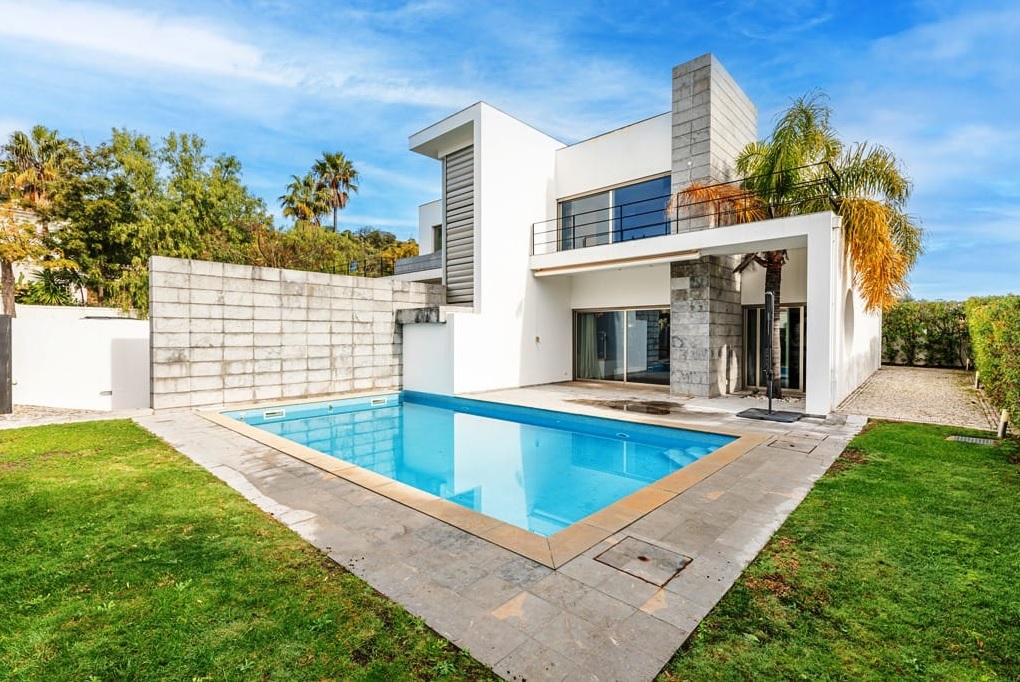
  • Portugal House for Sale

    Portugal House for Sale

    Special Correspondent for PortugalHousesForSale.com

    Sunlit Safe Haven for Savvy Property Buyers
    There are few places in Europe where lifestyle and investment potential align so elegantly as in Portugal’s Algarve. A sweep of golden coastline, vineyards, and whitewashed towns frames a region that has quietly become one of the continent’s most desirable and resilient real estate markets. From the Atlantic cliffs of Sagres to the elegant marinas of Vilamoura, the Algarve is no longer merely a holiday playground — it is an investment story with enduring credibility.

    While much of Europe’s property scene has oscillated between boom and correction, the Algarve’s market has shown uncommon steadiness. It has done so not by luck, but by design: restrictive planning laws, transparent regulation, and a steady influx of international buyers seeking a safer home for capital. In an era of economic volatility, owning a house in the Algarve has become more than a lifestyle aspiration — it has become a shield against uncertainty.

    A Market Grounded in Real Numbers
    Recent data from Instituto Nacional de Estatística (INE) confirms that the Algarve remains among Portugal’s most expensive yet stable regions. The average property price now stands at around €3,400 per square metre, a figure that has risen steadily rather than spectacularly. Prime addresses such as Quinta do Lago, Vale do Lobo, and Vilamoura regularly surpass €7,000 to €9,000 per square metre, while charming towns like Lagos, Tavira, and Albufeira offer mid-market opportunities closer to €2,500 to €4,000.

    Estate agents including Savills Portugal, Fine & Country Algarve, and Spot Blue International Property report consistent interest from buyers in the UK, France, Germany, Sweden, and increasingly from North America. That diversification of demand has been critical to the region’s stability. British buyers still represent around a quarter of foreign transactions, but Americans and Canadians now feature prominently in premium brackets, often motivated by Portugal’s political stability and favourable tax environment.

    Unlike Spain’s Costa del Sol or France’s Riviera, where speculation has at times inflated values, the Algarve’s property curve tells a more disciplined story — one of controlled appreciation backed by solid fundamentals.

    The Investor’s Equation
    The appeal of the Algarve lies in a simple equation: lifestyle yield plus financial prudence. Investors eyeing “Portugal house for sale – Algarve” listings are not just chasing sunshine but sound economics.

    Rental yields for well-situated properties average 4–6% annually, rising to 7–8% in top-tier resorts during the summer season. Data from the Turismo de Portugal agency shows the Algarve accounts for nearly 40% of the country’s total overnight stays, a reminder that tourism remains the backbone of the region’s rental economy.

    Yet returns are not purely financial. Portugal’s low property taxes — typically 0.3–0.5% IMI (annual municipal tax) — and its transparent transaction framework make it one of the most straightforward property markets for overseas buyers. Capital gains tax is moderate, and double taxation treaties help prevent punitive overlaps for international investors.

    Mortgage rates remain competitive within the Eurozone, and several banks, including Novo Banco and Millennium bcp, offer financing to non-residents. Many foreign buyers, however, are cash purchasers seeking asset security amid global currency fluctuations.

    Lifestyle as Capital
    In truth, much of the Algarve’s value cannot be measured in yield tables. It is embedded in quality of life — the sunshine, the safety, the serenity. Portugal boasts more than 300 days of sunshine a year, one of the highest rates in Europe. The climate alone is a form of return, especially for buyers escaping the grey chill of Northern Europe.

    Healthcare and education systems add another layer of reassurance. The National Health Service (SNS) is frequently praised for efficiency, while private hospitals such as Hospital Lusíadas Faro and HPA Saúde Alvor offer high standards at reasonable costs. The region also hosts several international schools, notably Nobel Algarve British International School and Vale Verde International School, making relocation realistic for families, not just retirees.

    Crime remains low, and English is widely spoken. The Algarve’s sense of community — particularly in towns like Loulé, Silves, and Carvoeiro — makes integration smooth for new arrivals. These are the quiet dividends of Portuguese life that figures alone cannot capture.

    From Coast to Countryside
    No two stretches of the Algarve are alike, and that diversity remains one of its greatest strengths.

    The western Algarve around Lagos and Aljezur combines rugged natural beauty with a younger, creative energy. Surf villages and eco-lodges attract remote workers and entrepreneurs who view the region as both sanctuary and opportunity. Villas here typically start from €600,000, with panoramic ocean views commanding more.

    In the central Algarve, glamour takes centre stage. Vilamoura’s yacht-lined marina, Vale do Lobo’s golf estates, and Quinta do Lago’s manicured enclaves remain the benchmark for luxury living. Villas in these gated communities frequently exceed €3 million, but their scarcity ensures resilience. Holiday rentals are near-guaranteed, with top-end villas fetching €5,000–€10,000 per week during summer months.

    To the east, tranquillity prevails. Tavira, Olhão, and Cacela Velha offer a slower rhythm, traditional architecture, and emerging boutique developments. Prices are gentler — between €2,000 and €3,000 per square metre — yet the area’s potential for growth is significant, buoyed by infrastructure improvements and renewed local investment.

    Sustainability: The New Status Symbol
    Across Portugal, and particularly in the Algarve, sustainability has evolved from niche to necessity. Developers are embracing solar technology, energy-efficient insulation, and sustainable materials. Projects certified with Class A or A+ energy ratings are increasingly sought after, both for environmental reasons and for long-term savings.

    Municipal authorities have introduced incentives for eco-renovations, aligning property development with EU climate goals. Buyers are also responding; agents note that homes with solar water systems or heat pumps now sell faster than traditional builds.

    The Algarve’s natural reserves — from Ria Formosa to Costa Vicentina — underline the region’s environmental importance. Regulations limiting coastal overdevelopment have frustrated some developers but preserved what makes the Algarve special: authenticity and open space.

    How to Buy with Confidence
    Portugal’s buying process is refreshingly straightforward, but professional advice remains crucial. Verified agents such as Spot Blue International Property, Portugal Sotheby’s Realty, and Ideal Homes Portugal stress the importance of early legal consultation. A bilingual lawyer will verify ownership, ensure all licences are in place, and draft the preliminary Contrato de Promessa de Compra e Venda (promissory contract).

    A deposit — usually 10% of the purchase price — secures the property until final completion. Buyers must also obtain a Portuguese tax identification number (Número de Identificação Fiscal), which a solicitor can arrange.

    Allow for 8–10% in total purchase costs, covering the property transfer tax (IMT), stamp duty, and legal fees. Foreign buyers face no restrictions on ownership, and repatriation of funds is unrestricted under Portuguese law.

    Financial tools such as the Banco de Portugal’s mortgage calculator or the IMT simulator available on the government’s Portal das Finanças website can help buyers budget accurately before committing. These transparent resources form part of Portugal’s broader commitment to investor protection.

    Algarve Versus the Rest of Europe
    Compared to its Mediterranean counterparts, the Algarve represents value without compromise. The Côte d’Azur may sparkle with celebrity, but its entry costs are stratospheric. Italy’s Amalfi Coast remains charming but bureaucratic. Spain’s southern coast has beauty, yet periods of overdevelopment have dented its consistency.

    Portugal offers the calmer middle ground: moderate prices, clear laws, and high quality of life. Transaction fees are modest; bureaucracy, once notorious, has been streamlined through digital portals. Even inheritance laws — often complex in other countries — are transparent and predictable in Portugal.

    It is little wonder the Global Peace Index continues to rank Portugal among the world’s safest nations, reinforcing its position as Europe’s quiet achiever in property stability.

    Infrastructure, Connectivity, and Growth
    Accessibility has been central to the Algarve’s success. Faro International Airport operates hundreds of weekly flights to major European cities, including London, Paris, Frankfurt, and Amsterdam, with seasonal routes to New York and Toronto.

    The A22 motorway provides swift transit across the region, while plans to enhance regional rail links promise improved connectivity between Faro, Lagos, and Lisbon. Internet coverage is strong; fibre broadband is widely available, making remote work entirely feasible.

    Investment in sustainable tourism and renewable energy continues to shape the region’s growth narrative. The Portuguese government has signalled its commitment to regional diversification, encouraging year-round tourism rather than seasonal dependency. That policy shift bodes well for investors seeking consistent rental income throughout the year.

    The Human Element
    Markets, statistics, and forecasts tell only part of the story. What endures is the human connection to place. Speak to any long-term Algarve resident and you will hear variations on the same theme: warmth — not just from the sun, but from the people.

    The region’s service culture, its modest scale, and its communal rhythm create a setting rare in modern Europe. Even in the luxury enclaves, there is civility rather than ostentation.

    Buyers often start with an investment rationale and end up staying for emotional reasons. That mix of rational economics and lifestyle satisfaction is precisely what underpins the Algarve’s long-term resilience.

    The Financial Backdrop
    Portugal’s broader economy has strengthened in recent years, buoyed by tourism, exports, and technology. Lisbon has emerged as a hub for fintech and start-ups, drawing international talent and investment. The Algarve benefits indirectly, with improved infrastructure and rising demand for professional rentals.

    While interest rate cycles across the Eurozone continue to fluctuate, Portugal’s conservative banking system and prudent mortgage lending have helped contain overheating. Property here feels more like wealth preservation than speculation.

    For portfolio investors, Algarve property serves as both a Euro-denominated hedge and a lifestyle asset. Its combination of liquidity, rental viability, and tangible utility gives it a rare balance in uncertain times.

    The Future Outlook
    Looking ahead, the Algarve’s trajectory remains positive. Supply is limited by geography and planning regulation, yet demand continues to broaden globally. With sustainable development leading the agenda and the region’s quality-of-life credentials unrivalled, the Algarve looks well placed to maintain its appeal.

    Developers are expected to focus increasingly on boutique, eco-conscious projects rather than mass-market builds. Buyers, meanwhile, are likely to prioritise energy efficiency, digital connectivity, and year-round liveability.

    Analysts foresee steady price growth rather than dramatic spikes — the sort of gradual appreciation that underpins confidence. For the prudent investor or the discerning retiree, that is precisely the outcome to hope for.

    The Bottom Line
    The Algarve remains the benchmark for sensible property investment with lifestyle rewards. It combines the predictability of a stable EU jurisdiction with the pleasure of living in one of Europe’s most beautiful environments.

    For anyone searching “Portugal house for sale – Algarve,” the opportunity is clear: an enduring market supported by transparency, quality, and sunlit certainty. In a restless world, such reassurance is priceless.

    Financial Disclaimer: The information provided in this article is for general informational purposes only and does not constitute financial advice. While every effort has been made to ensure the accuracy of the content, market conditions may change, and unforeseen risks may arise. The author and publisher of this article do not accept liability for any losses or damages arising directly or indirectly from the use of the information contained herein.

    Copyright 2025: portugalhousesforsale.com
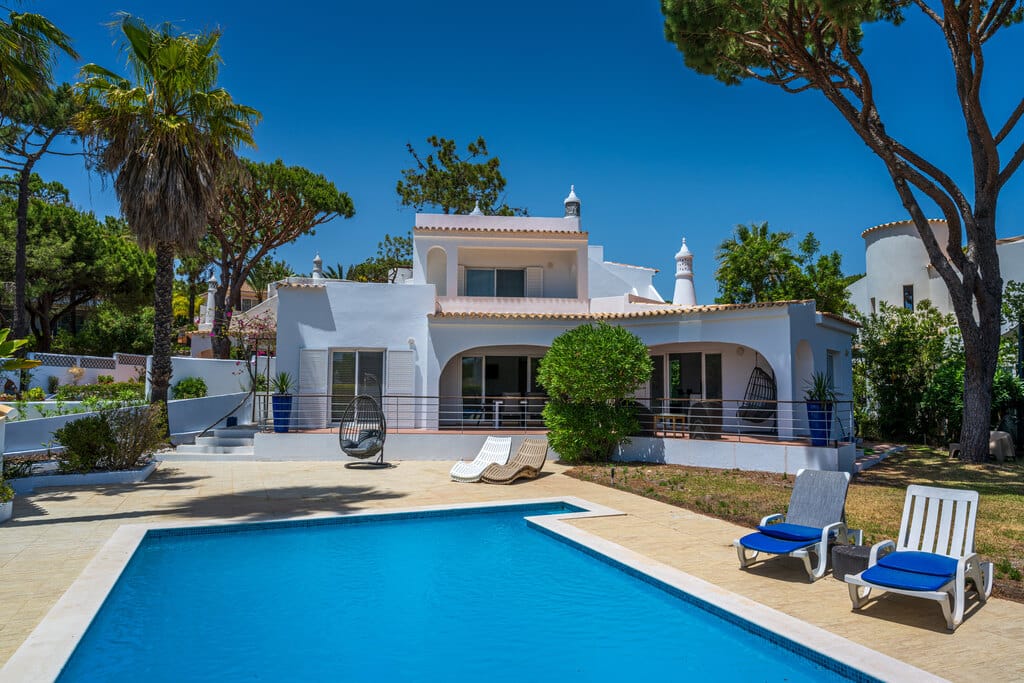
  • Portugal Real Estate for Sale: The Golden Opportunity in Europe’s Most Reliable Property Market

    Portugal Real Estate for Sale: The Golden Opportunity in Europe’s Most Reliable Property Market

    By Portugalhoussesforsale Property Desk

    Portugal’s Enduring Allure for the International Buyer

    Among Europe’s sun-washed nations, Portugal has emerged as a quietly triumphant story in global property. The phrase “Portugal houses for sale” now conjures not simply visions of coastal retreats or whitewashed cottages, but a byword for stability, lifestyle, and secure capital preservation.

    For the international investor or the buyer with an eye for value, Portugal has assumed a stature that goes beyond its postcard beauty. The country’s deft balance between affordability and aspiration, its political stability within the Eurozone, and its commitment to sustainable growth have made it one of the most trusted real estate markets in Europe.

    From the cosmopolitan avenues of Lisbon to the honeyed hills of the Algarve and the surf-lined villages of the Silver Coast, Portugal’s housing landscape offers range, reliability, and return. And as global investors pivot towards quality of life and tangible assets in an uncertain economic era, the Portuguese house has become both a refuge and a prudent investment.

    A Market Underpinned by Confidence

    The strength of Portugal’s housing market lies in its fundamentals. According to the Instituto Nacional de Estatística (INE), average residential property prices increased steadily over the past year, a continuation of the disciplined rise that has characterised the past decade. Unlike the speculative surges witnessed elsewhere in southern Europe, Portugal’s growth has been measured — organic rather than inflated.

    Across the country, the average price per square metre stands at around €2,300, but this is a broad figure encompassing everything from urban apartments to countryside homes. In practice, buyers encounter a diverse landscape of values:

    In Lisbon, modernised family houses or terraced townhomes in sought-after districts such as Campo de Ourique or Estrela average €5,000–€7,000 per sqm, while larger detached houses in Cascais or Sintra can reach €6,000–€8,000 per sqm.

    In Porto, Portugal’s cultural second city, characterful properties along the Douro or in Foz do Douro fetch between €3,000 and €4,500 per sqm, often renovated to a high contemporary standard.

    Along the Algarve, detached homes in prime coastal zones such as Quinta do Lago or Vale do Lobo frequently exceed €7,000–€9,000 per sqm, while inland or lesser-known towns offer substantial houses from €2,000 per sqm upwards.

    That range of entry points — from modest townhouses in historic settings to grand coastal villas — is precisely what makes Portugal’s market so broad-based. It is simultaneously accessible and aspirational.

    Who’s Buying: An International Cast

    Portugal’s appeal transcends national boundaries. While British and French buyers remain prominent, they now share the stage with investors from Germany, Sweden, the Netherlands, Canada, and the United States.

    Figures from Savills Portugal and Fine & Country suggest that foreign purchasers account for roughly 15–20% of all property transactions nationally, and a far higher proportion in Lisbon and the Algarve. The broadening profile of buyers — from retirees to remote professionals and institutional investors — underscores Portugal’s transformation from a niche market to a global one.

    The end of the original Golden Visa programme for property investors has not dampened enthusiasm. Portugal’s fundamental advantages — safety, climate, rule of law, and low comparative cost of living — remain intact. The country’s ongoing Non-Habitual Resident (NHR) regime, although refined, still offers attractive fiscal conditions for new residents, particularly retirees and entrepreneurs.

    Lisbon: The Economic Engine and Cultural Heart

    Lisbon’s property market remains the country’s bellwether. Once undervalued, the city has ascended into Europe’s premier league, joining the ranks of Barcelona and Milan for lifestyle buyers and global investors alike.

    The capital’s rejuvenation has been remarkable. From the revitalised riverfront of Alcântara to the café-lined streets of Príncipe Real, Lisbon has become an epicentre of design, tech, and tourism. Its architectural mix — tiled façades, wrought-iron balconies, and modern refurbishments — has proved irresistible to investors seeking both charm and yield.

    Average prices across Lisbon have stabilised after years of double-digit growth. Apartments in historic Alfama or Chiado hover around €6,000 per sqm, while houses in Cascais or Estoril, 30 minutes west of the capital, can exceed €1.5 million.

    Rental demand remains robust, particularly in the corporate and expatriate sectors. Yields of 4–6% are typical, with higher returns possible in well-managed, short-term rental properties. Lisbon’s steady flow of tourism, international business, and digital nomads has cemented its role as Portugal’s commercial and cultural anchor.

    Porto: Heritage and Momentum

    Further north, Porto’s property market reflects a different rhythm — gentler perhaps, but increasingly compelling. Known for its riverside charm, baroque architecture, and wine cellars, Porto has become a magnet for investors seeking authenticity coupled with growth potential.

    Prices here remain competitive: the city average sits at €3,500 per sqm, rising to €4,500 in prime areas such as Foz do Douro. Renovated houses in the central Baixa district attract international buyers who appreciate the blend of old-world charm and modern amenity.

    The city’s expanding university and tech sectors underpin steady domestic demand, while improved infrastructure — including an upgraded airport and metro extensions — supports long-term growth. For those seeking capital appreciation without Lisbon’s price tag, Porto represents a solid, well-grounded choice.

    The Algarve: A Sun-Kissed Stronghold

    If Lisbon and Porto provide urban vitality, the Algarve offers pure escapism. Yet beneath the postcard-perfect beaches and golf courses lies one of Europe’s most resilient housing markets.

    The Algarve’s appeal endures not merely because of its climate — over 300 days of sunshine annually — but because of its consistency. Its limited building zones and strong municipal planning controls have prevented overdevelopment. As a result, quality housing remains finite, and prices hold firm.

    According to Turismo de Portugal, the Algarve accounts for nearly 40% of all overnight tourist stays in the country, making it a powerhouse of year-round rental income. Villas and detached houses near Albufeira, Vilamoura, and Lagos routinely achieve rental yields of 5–7%, while luxury estates in the Golden Triangle maintain near-permanent occupancy in summer months.

    Prices vary dramatically across the region:

    Prime coastal zones (Quinta do Lago, Vale do Lobo, Vilamoura): €3 million–€10 million for luxury houses.

    Mid-range areas (Lagos, Alvor, Carvoeiro): €500,000–€1.5 million.

    Inland Algarve (Silves, Monchique): €300,000–€600,000.

    What unites these sub-markets is resilience. Even during global downturns, the Algarve’s combination of limited supply and global appeal has sustained its reputation as Europe’s sunshine investment capital.

    The Silver Coast and Alentejo: The Smart Alternatives

    Beyond the Algarve’s established glamour, Portugal’s Silver Coast and Alentejo have quietly come into their own. Stretching north from Lisbon, the Silver Coast’s Atlantic views, charming towns, and cultural depth offer an emerging investment frontier.

    Here, towns like Nazaré, Peniche, and Óbidos present an appealing blend of affordability and authenticity. Average house prices remain around €2,000–€2,500 per sqm, roughly one-third below comparable Algarve listings. Yet infrastructure is improving, and tourism is on the rise, making this an attractive prospect for mid-term capital growth.

    Meanwhile, Alentejo, known for its rolling vineyards and traditional villages, has begun to attract lifestyle buyers seeking privacy and space. Restored farmhouses (herdades) on expansive plots sell from €400,000 upwards, while eco-conscious developments near Comporta command much higher prices, driven by Lisbon-based buyers and international design investors.

    Legal Clarity and Ownership Protection

    One of Portugal’s quiet advantages is its property system’s simplicity. The country’s legal framework ensures full ownership rights for both residents and foreigners. Transactions are conducted transparently under the supervision of bilingual lawyers and licensed notaries.

    A typical purchase follows a well-defined path: after legal checks, both parties sign a promissory contract (Contrato de Promessa de Compra e Venda), accompanied by a 10% deposit. Completion takes place before a notary, when the deed (Escritura Pública) is registered at the Conservatória do Registo Predial (Land Registry).

    Buyers should budget 8–10% in total transaction costs, which include property transfer tax (IMT), stamp duty, and legal fees. The annual municipal tax (IMI) averages 0.3–0.5%, depending on the location.

    Non-resident financing is readily available through Portuguese banks such as Novo Banco, Millennium bcp, and Banco Santander, which typically lend up to 70–80% of the property’s value. Interest rates remain competitive, and official online tools such as the Bank of Portugal’s mortgage simulator help buyers plan effectively.

    Sustainability and the Modern Buyer

    Portugal’s housing sector is increasingly defined by its environmental consciousness. Energy performance certifications (EPCs) are mandatory, and buyers now actively seek properties with Class A or A+ ratings.

    Developers have embraced renewable technologies, from solar heating and heat pumps to rainwater collection and thermal insulation. In sun-drenched regions like the Algarve and Alentejo, solar energy integration has become commonplace, reducing both emissions and long-term costs.

    Municipalities including Cascais, Lagos, and Loulé offer incentives for sustainable construction and retrofitting. These initiatives not only appeal to eco-minded investors but also enhance long-term resale value.

    The Fiscal Landscape: Transparency and Favourable Conditions

    Portugal’s taxation system is clear and internationally competitive. The Non-Habitual Resident (NHR) regime, while evolving, still offers reduced taxation on foreign-sourced income for qualifying residents.

    Capital gains tax is applied only on realised profits, with exemptions for reinvestment in another principal residence. There are no restrictions on repatriating funds abroad, and inheritance laws are relatively straightforward compared to neighbouring jurisdictions.

    Portugal’s double taxation treaties with the UK, US, Canada, and most EU nations ensure that foreign investors avoid paying tax twice on the same income. Combined with moderate transaction costs and low annual ownership expenses, this framework continues to position Portugal among Europe’s most investor-friendly property markets.

    Economic Context: A Country in its Prime

    Behind the steady rise of Portugal’s property market lies a stable and diversifying economy. Over the past decade, Portugal has evolved from a tourism-dependent destination into a hub for technology, renewable energy, and creative industries.

    Lisbon’s start-up ecosystem — often dubbed “the new Berlin of the Atlantic” — has attracted international capital and talent, while Porto’s manufacturing and logistics base continues to expand. The Algarve, traditionally leisure-oriented, is diversifying into wellness, health, and sustainable tourism.

    This broadening of the economic base provides the housing market with durability. Jobs attract residents, residents create demand, and demand sustains value. Portugal’s ability to maintain this virtuous cycle has made it a standout performer in southern Europe.

    Comparing Portugal with Other European Markets

    For international investors weighing Mediterranean options, Portugal continues to offer an enviable equation.

    In France, high transaction and inheritance taxes can deter buyers. In Italy, bureaucracy remains cumbersome. Spain, while robust, has seen greater regional fluctuations.

    Portugal, by contrast, delivers reliability with charm. It combines accessible pricing, straightforward legal processes, and a strong sense of community. Its property market is transparent, its infrastructure modern, and its international reputation spotless.

    For those seeking a home rather than a headline, Portugal provides both.

    The Lifestyle Dividend

    Portugal’s appeal transcends balance sheets. The climate, cuisine, and culture confer a lifestyle return that amplifies every financial calculation.

    The country enjoys one of Europe’s highest sunshine counts — over 300 days annually in the south — alongside some of its lowest crime rates. The Global Peace Index consistently ranks Portugal among the top five safest nations worldwide.

    Healthcare, through the Serviço Nacional de Saúde (SNS) and a robust private system, is efficient and affordable. Education, including a growing network of international schools, makes relocation viable for families. English is widely spoken, easing integration for foreign residents.

    Perhaps most importantly, the Portuguese temperament — understated, welcoming, and courteous — fosters a sense of belonging that money alone cannot buy.

    The Outlook: Measured Growth, Long-Term Value

    Analysts predict Portugal’s housing market will continue its steady upward trajectory. With limited land supply in key regions, expanding global recognition, and consistent foreign interest, the country’s fundamentals remain exceptionally sound.

    Price growth is expected to moderate slightly, reflecting maturity rather than fatigue. Yet rental demand, infrastructure improvements, and rising international migration suggest a continued positive slope for both capital and yield.

    Portugal’s path forward looks reassuringly predictable — and in an unpredictable world, that predictability is itself a luxury.

    The Verdict

    Portugal has achieved what many nations aspire to: a housing market that is both aspirational and attainable, profitable yet principled.

    For investors, it offers clarity and resilience; for homeowners, lifestyle and legacy. Its balance between beauty and bureaucracy — a Mediterranean aesthetic within a northern European rule-of-law framework — is precisely what has propelled Portugal from hidden gem to headline act.

    In the global property landscape, few phrases carry as much quiet authority as “Portugal houses for sale.” They signify a market where sunshine meets substance, and where ownership remains one of life’s more rewarding certainties.

    Financial Disclaimer: The information provided in this article is for general informational purposes only and does not constitute financial advice. While every effort has been made to ensure the accuracy of the content, market conditions may change, and unforeseen risks may arise. The author and publisher of this article do not accept liability for any losses or damages arising directly or indirectly from the use of the information contained herein.

    Copyright 2025: portugalhousesforsale.com
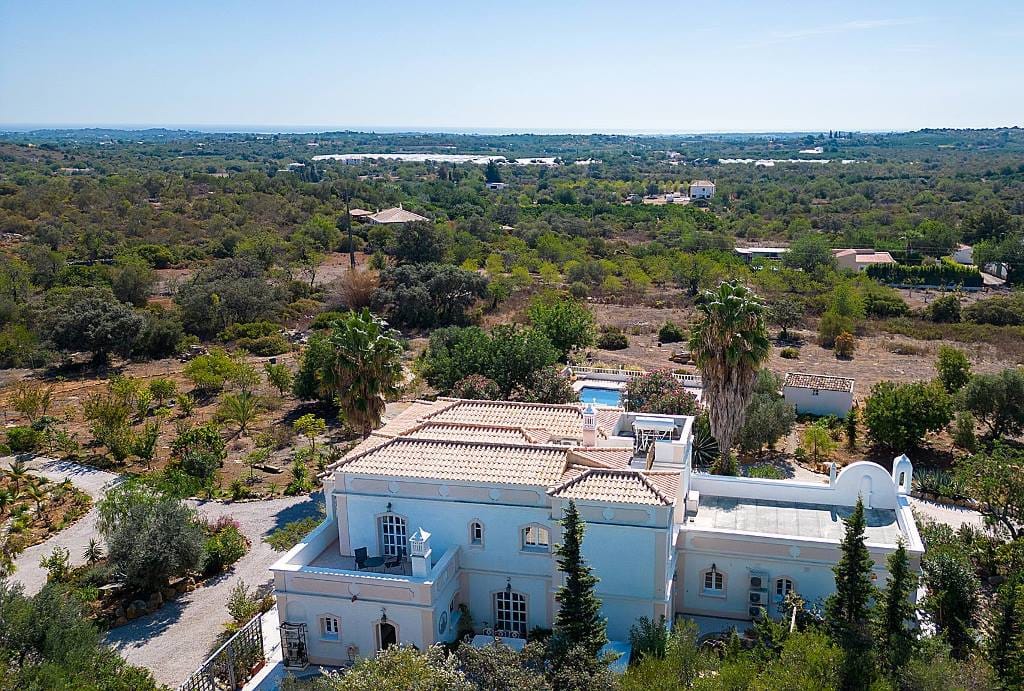
  • Faro – Portugal’s Gateway to the World and the Algarve’s Growth

    Faro – Portugal’s Gateway to the World and the Algarve’s Growth

    From the PortugalHousesForSale Property Desk

    Faro – The City That Connects Continents

    Faro has long been the Algarve’s quiet achiever — a city often seen merely as the region’s transport hub but, in reality, one of its most dynamic, investable, and globally connected centres. As the Algarve’s capital and the administrative heart of southern Portugal, Faro is far more than a landing strip for holidaymakers; it is a place where Portugal meets the world.

    For international investors and buyers, Faro’s growing appeal lies in its balance of lifestyle, logistics, and long-term value. It is both the entry point to one of Europe’s most popular coastal regions and an increasingly attractive place to live, work, and invest in its own right.

    While neighbouring resort towns capture the postcard moments, Faro offers something arguably more substantial: year-round life, real economic infrastructure, and an urban environment that is both authentically Portuguese and globally accessible. For anyone seeking “Portugal property for sale in the Algarve,” Faro represents the best of both worlds — cosmopolitan convenience and coastal charm.

    A City on the Rise

    Faro’s transformation from a sleepy provincial capital into a modern, connected city has been both deliberate and impressive. Once regarded mainly as a transit point, it is now an urban hub with a thriving university, growing tech and healthcare sectors, and a residential market that has come into its own.

    According to the Instituto Nacional de Estatística (INE), the average price per square metre in Faro currently stands at approximately €2,900, reflecting a steady year-on-year increase of around 8%. Prime areas within the city centre, particularly those near the marina, old town (Cidade Velha), and university district, command prices between €3,500 and €4,500 per sqm, while properties on the outskirts — such as Montenegro and Gambelas — remain more affordable, ranging between €2,000 and €2,800 per sqm.

    These figures place Faro well below the prices seen in nearby resort markets like Vilamoura or Quinta do Lago, where values can exceed €8,000 per sqm. For buyers, that price gap offers compelling value, especially when paired with Faro’s strong rental demand and urban infrastructure.

    The Gateway Advantage: Faro International Airport

    Faro’s true global relevance lies in its role as the Algarve’s aviation and logistical hub. Faro International Airport (FAO) is one of Portugal’s busiest, handling over 10 million passengers annually, connecting the region to more than 90 international destinations.

    Direct flights operate daily to major European cities including London, Manchester, Dublin, Paris, Frankfurt, Stockholm, Amsterdam, and Zurich, as well as seasonal routes to North America. Airlines such as TAP Air Portugal, British Airways, easyJet, and Ryanair have made Faro a cornerstone of their southern European networks.

    Recent infrastructure upgrades, including the airport’s expanded terminal, new runway systems, and enhanced passenger capacity, reflect the region’s sustained growth. A proposed high-speed rail link between Lisbon and Faro — part of Portugal’s national mobility plan — promises to cut travel time between the capital and the Algarve to under two hours, further strengthening connectivity.

    For property investors, these developments have tangible implications. Accessibility is a key determinant of property value, and Faro’s transport infrastructure underpins its role as the Algarve’s commercial and residential engine.

    The Real Estate Market: Value, Variety, and Vision

    Faro’s property market combines value with variety, offering something for almost every investor profile.

    Historic Centre: The cobbled streets and terracotta roofs of Faro’s Old Town are among the city’s most recognisable features. Renovated townhouses and boutique apartments here attract both locals and expatriates, with prices between €3,000 and €4,500 per sqm. Investors targeting short-term holiday lets find consistent demand thanks to the area’s proximity to the marina and the ferry links to the Ria Formosa islands.

    Modern Residential Zones: Areas such as Gambelas, Montenegro, and Bom João offer newer apartment developments catering to young professionals, students, and healthcare workers. Prices here start from around €200,000, with strong rental yields in the 5–7% range.

    Suburban and Coastal Communities: The outskirts of Faro, including Santa Bárbara de Nexe and Conceição e Estoi, feature larger villas and traditional farmhouses set amid olive groves and hillsides. Properties with panoramic views or land plots for redevelopment start from around €450,000, appealing to buyers seeking privacy within easy reach of the city and airport.

    A Hub for Education and Innovation

    Faro’s economy has diversified far beyond tourism. The city is home to the University of the Algarve (UAlg), a leading institution with over 8,000 students, many from overseas. The university’s focus on marine sciences, renewable energy, and digital innovation has anchored Faro’s reputation as a regional knowledge centre.

    This academic base has also spurred business growth. Start-ups in biotech, ocean research, and sustainability sectors are establishing operations in the area, supported by EU funding and Portugal’s broader push towards green technology.

    The Gambelas University Campus has become a focal point for innovation, while Faro’s Tech Hub Algarve initiative aims to attract international entrepreneurs and digital nomads by offering flexible workspaces, fibre connectivity, and support services.

    For property investors, the presence of a year-round academic community translates into consistent demand for long-term rentals — a factor that sets Faro apart from purely seasonal resort markets.

    Ria Formosa: Nature Meets Neighbourhood

    Just beyond Faro’s marina lies one of Europe’s ecological treasures — the Ria Formosa Natural Park. This protected lagoon system, stretching 60 kilometres along the Algarve’s coast, forms a living backdrop to the city.

    The Ria Formosa is not only a sanctuary for migratory birds and marine life but also a recreational haven for residents. Boat tours, paddleboarding, and kayaking through the channels have become integral to Faro’s outdoor lifestyle.

    Properties overlooking the Ria Formosa — particularly in the Montenegro and Quinta do Eucalipto districts — command premiums of up to 15–20% over similar homes elsewhere in the city. The appeal is simple: views of water and wilderness within minutes of an international airport are rare anywhere in Europe.

    Infrastructure and Liveability

    Faro combines the convenience of a modern city with the intimacy of a regional capital. It has a robust infrastructure — healthcare, education, transport, and digital connectivity — that supports both full-time living and investment.

    The Centro Hospitalar Universitário do Algarve (CHUA) provides advanced medical care, while private facilities such as Hospital Lusíadas Faro offer international-standard healthcare services. The presence of these institutions attracts medical professionals and retirees alike, supporting the city’s population growth.

    Public transport links across the Algarve are reliable, with Faro serving as the hub for regional rail and coach networks. The A22 motorway connects the city to Spain within 45 minutes and to Lisbon within two and a half hours.

    The city’s commitment to sustainability is evident in its Smart Faro initiative — a municipal programme integrating digital technology into urban management, energy efficiency, and public services. Solar energy projects, electric mobility infrastructure, and green public spaces reflect Faro’s modern outlook.

    The Tourism and Rental Economy

    Tourism remains a key pillar of Faro’s economy, but its evolution has been marked by diversification and quality rather than volume.

    Faro’s marina has become a boutique attraction, with new restaurants, hotels, and waterfront promenades drawing a more refined visitor demographic. The Old Town, with its Roman walls and Gothic cathedral, has been sensitively restored, combining cultural tourism with contemporary leisure.

    While the wider Algarve attracts over 5 million international visitors annually, Faro’s distinct advantage lies in its year-round occupancy. The city benefits from academic, administrative, and professional populations that sustain demand outside the summer months.

    Average rental yields in Faro stand at 5–6% for long-term leases and 7–9% for short-term lets, according to market data from Idealista and Savills Portugal. With low vacancy rates and increasing air connectivity, Faro’s buy-to-let potential continues to strengthen.

    Foreign Investment and Market Confidence

    Portugal’s open and transparent property market remains one of Europe’s most investor-friendly. There are no restrictions on foreign ownership, and all transactions are securely registered through the Conservatória do Registo Predial (Land Registry).

    The buying process is straightforward:

    Obtain a Portuguese Tax Identification Number (NIF).

    Engage a local lawyer to conduct due diligence and verify property records.

    Sign a Promissory Contract (CPCV) with a 10% deposit.

    Complete the sale before a notary (Escritura Pública).

    Total acquisition costs, including transfer tax (IMT), stamp duty, and legal fees, average 8–10% of the property price.

    Portugal’s Non-Habitual Resident (NHR) scheme continues to attract international professionals and retirees by offering favourable tax treatment on certain foreign income for up to ten years. Furthermore, there is no inheritance tax for direct family members, and capital gains are taxed only on realised profits, with exemptions for reinvestment.

    These policies, combined with Portugal’s political stability and Eurozone membership, make Faro an ideal entry point for investors seeking both security and growth.

    Comparative Advantage: Faro versus Other Algarve Cities

    While glamorous destinations like Quinta do Lago, Vale do Lobo, and Vilamoura dominate headlines, Faro offers a subtler — and arguably more balanced — proposition.

    Affordability: Property prices in Faro are, on average, 40–50% lower than in the central Algarve luxury triangle, creating strong potential for value appreciation.

    Connectivity: As the region’s transport hub, Faro enjoys unmatched access to Europe and beyond.

    Diversity: Faro combines urban life, coastal proximity, and ecological beauty — a trio few cities can match.

    Community: With year-round residents and less reliance on seasonal tourism, Faro offers stability.

    For investors seeking steady returns and long-term growth without the volatility of purely luxury markets, Faro stands out as a strategic choice.

    Sustainability and Future Development

    The next phase of Faro’s evolution will be defined by sustainable growth. The municipality’s Urban Regeneration Plan targets key areas for development, including the waterfront, marina zone, and university corridor.

    Mixed-use projects are emerging, blending residential, commercial, and cultural spaces. The Faro Marina Expansion, set to introduce new berths, boutique hotels, and leisure amenities, will enhance the city’s international profile.

    The government’s green urban mobility initiatives — expanding pedestrian routes, electric public transport, and cycle paths — position Faro as a model for sustainable southern European cities.

    Crucially, these improvements are being managed without sacrificing the city’s identity. Faro remains recognisably Portuguese — a blend of Moorish architecture, maritime tradition, and contemporary energy.

    The Lifestyle Proposition

    Life in Faro is an invitation to balance. It is a city where the rhythm of the Atlantic meets the refinement of a European capital. Cafés spill onto sunlit squares, fishermen unload catches beside modern yachts, and evenings unfold to the sound of live fado music echoing through the old streets.

    The Algarve’s 300 days of sunshine per year, combined with Faro’s modest cost of living — roughly 25–30% lower than Lisbon — create an environment where quality of life is tangible. Healthcare is excellent, crime is minimal, and the local community remains welcoming.

    For families, international schools such as Colégio Bernardette Romeira and Nobel Algarve British International School provide multilingual education. For retirees, healthcare and climate advantages combine with fiscal benefits to create one of Europe’s most comfortable retiree environments.

    Whether as a base for exploration or a permanent home, Faro’s lifestyle proposition is deeply persuasive: accessible, authentic, and enduringly human.

    Investment Outlook: The Power of Access

    As global investors look for stable, well-connected markets, Faro stands in a category of its own. Its international airport, central geography, and robust local economy make it not only the Algarve’s gateway but its future growth driver.

    Analysts forecast property price increases of 4–6% annually, driven by rising international demand, infrastructure investment, and the city’s expanding resident population. As the Algarve continues to attract remote professionals, retirees, and entrepreneurs, Faro’s position as both the logistical and cultural heart of the region will only strengthen.

    For investors, the message is clear: Faro represents access — to markets, to lifestyle, and to long-term value.

    The Verdict

    Faro’s rise is one of the Algarve’s most compelling stories. Once overlooked, it has emerged as the linchpin of Portugal’s southern prosperity — a city where connectivity, culture, and capital converge.

    For property investors, it offers the reassurance of real infrastructure and the promise of sustainable growth. For homeowners, it offers a quality of life that remains enviable yet attainable.

    In an era when access defines opportunity, Faro is Portugal’s open door — and it’s wide open to those who recognise its potential.

    Financial Disclaimer: The information provided in this article is for general informational purposes only and does not constitute financial advice. While every effort has been made to ensure the accuracy of the content, market conditions may change, and unforeseen risks may arise. The author and publisher of this article do not accept liability for any losses or damages arising directly or indirectly from the use of the information contained herein.

    Copyright 2025: portugalhousesforsale.com
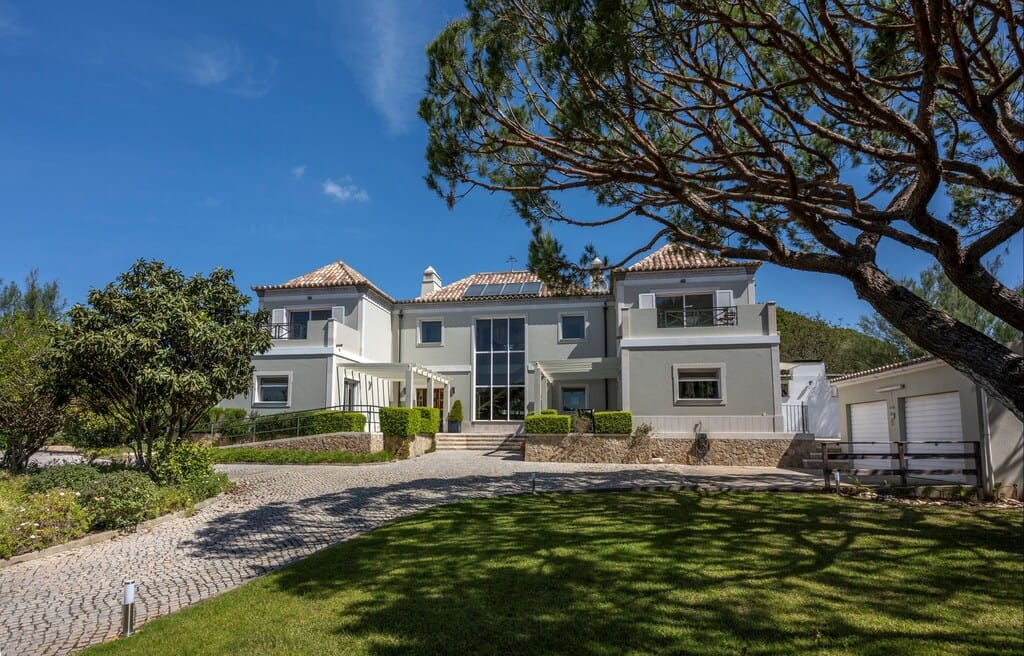
  • Portugal’s Property Golden Visa – Doorway to Europe’s Lifestyle and Investment Freedom

    Portugal’s Property Golden Visa – Doorway to Europe’s Lifestyle and Investment Freedom

    From the PortugalHousesForSale Property Desk

    A Decade of Opportunity
    Few government initiatives in modern Europe have reshaped property markets and investor behaviour quite like Portugal’s Golden Visa. Introduced in 2012, this residency-by-investment programme was designed to attract foreign capital into the nation’s economy following the Eurozone crisis. A decade later, it has evolved into one of the most successful and enduring investor migration schemes in the world — a gateway not only to Portugal but to the European Union itself.

    For property investors and global citizens alike, the appeal remains obvious. Portugal offers political stability, an enviable climate, low taxation, and access to the Schengen Area’s 26 member states — all within a transparent legal framework. Although the Golden Visa has undergone reforms and refinements over the years, it remains one of Europe’s most strategically valuable pathways to residence, combining investment freedom with lifestyle privilege.

    Yet, beneath the headlines lies a more sophisticated story — one of market adaptation, investor confidence, and Portugal’s ability to balance growth with governance. For those assessing where to anchor their next major investment or residence, understanding the new landscape of Portugal’s Golden Visa is essential.

    A Changing Framework: From Property to Productivity
    In its original form, the Golden Visa programme offered a straightforward proposition: invest a defined sum in real estate, and receive residency rights in Portugal with the potential to secure citizenship after five years.

    Over time, and in response to both domestic policy goals and EU guidance, the Portuguese government has refined the scheme. Today, the Golden Visa remains active, but its emphasis has shifted away from traditional property purchases towards broader forms of capital investment — reflecting Portugal’s success in attracting global attention and the maturity of its real estate market.

    The government’s rationale is pragmatic. The programme achieved its initial purpose: revitalising the property market, especially in Lisbon, Porto, and the Algarve. However, to ensure balanced development, authorities redirected the scheme’s incentives towards non-residential and regional investment while safeguarding existing rights for previous applicants.

    For international investors, this evolution underscores one key truth: Portugal remains open for business, but its Golden Visa now prioritises sustainable, value-added capital inflows over speculative buying.

    The Current Criteria: What Investors Can Expect
    While traditional residential property investments in Lisbon, Porto, and coastal Algarve no longer qualify under the revised Golden Visa categories, a range of eligible investment routes remains open — each designed to appeal to serious investors and entrepreneurs.

    Under current regulations, applicants may obtain residency by meeting one of the following investment thresholds:

    €500,000 in qualifying investment funds or venture capital funds aimed at supporting Portuguese businesses.

    €500,000 in research activities conducted by accredited public or private scientific institutions.

    €500,000 in cultural heritage projects or artistic production.

    €500,000 in the incorporation or capitalisation of a Portuguese company, creating or maintaining at least five jobs.

    €250,000 for investment in cultural heritage preservation (reduced to €200,000 in low-density areas).

    For investors who still wish to connect their residency with property ownership, there remain indirect pathways. Real estate-backed funds and certain commercial or tourism developments in designated interior or low-density municipalities remain eligible under the new rules.

    What this means, in practice, is that while direct property purchases in high-demand coastal zones no longer qualify, Portugal’s property sector remains deeply intertwined with Golden Visa capital through fund structures and development investments.

    Market Impact: From Boom to Balance
    The Golden Visa’s early years coincided with Portugal’s post-crisis property renaissance. Between 2013 and 2019, residential prices in Lisbon rose by more than 80%, while Porto saw a 60% increase, according to INE and Confidencial Imobiliário data. The Algarve, already an established luxury market, also benefited from sustained international demand.

    This surge was not solely the result of Golden Visa buyers — but the programme undeniably played a catalytic role. It restored confidence to a market that had suffered a decade of underinvestment, attracting global attention and foreign developers.

    Today, the story is one of consolidation rather than correction. While transaction volumes have normalised, prices have largely held steady, underpinned by Portugal’s strong fundamentals: limited supply, year-round tourism, and a high quality of life.

    In Lisbon and the Algarve, prime residential values continue to average between €6,000 and €10,000 per square metre, while Porto and the Silver Coast remain competitive at €3,500–€5,000 per sqm. Rural and interior municipalities, encouraged under the revised Golden Visa framework, offer significantly lower entry points — often €1,000–€2,500 per sqm, with government support for development and restoration projects.

    This rebalancing has strengthened the market’s long-term integrity. Portugal’s property sector, once dependent on inbound investment incentives, is now sustained by genuine demand, both domestic and international.

    The Investor Perspective: Why Portugal Still Leads
    The end of the property-specific Golden Visa might have deterred speculative buyers, but serious investors remain — and for good reason. Portugal continues to offer one of the most attractive investment environments in Europe.

    1. Residency and Mobility
      Golden Visa holders and their families receive full residency rights in Portugal and visa-free travel across the Schengen Zone. After five years of legal residence — requiring only an average stay of seven days per year — investors may apply for permanent residency or citizenship, securing an EU passport.
    2. Tax Efficiency
      Portugal’s Non-Habitual Resident (NHR) regime remains one of the continent’s most favourable fiscal systems for expatriates, offering reduced tax rates on qualifying foreign income for up to ten years. Combined with no wealth tax, no inheritance tax for direct heirs, and generous double-taxation treaties, Portugal offers a level of fiscal transparency that compares favourably with other EU jurisdictions.
    3. Quality of Life and Infrastructure
      Portugal’s infrastructure ranks among the best in Europe. The country enjoys world-class healthcare, international education, and a modern transport network. Its cities are clean, safe, and culturally vibrant, while the Algarve continues to rank as one of Europe’s most desirable places to retire.
    4. Political and Legal Stability
      Portugal consistently ranks among the top five safest countries in the world according to the Global Peace Index, with a democratic government and independent judiciary. For investors, these are not intangibles — they are fundamental assurances of asset protection and rule of law.
    5. A Gateway to Europe
      For non-EU nationals — particularly from the Middle East, Asia, North America, and Africa — Portugal represents a secure foothold within the European Union. It provides freedom of movement, access to European education and healthcare systems, and the ability to live, work, or retire anywhere in the Schengen Area.

    The Role of Property Funds
    With traditional property purchases excluded from the Golden Visa framework, investment funds have become the preferred route for high-net-worth individuals seeking both residency and returns.

    Portugal’s regulated real estate and venture funds offer investors a mechanism to participate in the property market indirectly while complying fully with the programme’s requirements. These funds, approved by the Comissão do Mercado de Valores Mobiliários (CMVM), typically focus on residential or commercial development, renewable energy, logistics, or tourism projects.

    The minimum investment is €500,000, and most funds operate with defined exit strategies over a six- to eight-year horizon, often targeting annualised returns of 5–8%.

    This structure appeals to investors seeking diversification, professional management, and legal clarity — particularly those wishing to avoid the administrative burden of direct property ownership.

    It also aligns with the government’s objectives: promoting institutional investment and long-term economic contribution rather than speculative buying.

    Regional Opportunities Beyond the Coast
    Portugal’s Golden Visa reforms have drawn attention to previously overlooked areas — a development that is reshaping the nation’s property geography.

    Interior regions such as Évora, Beja, Castelo Branco, and Viseu are experiencing renewed interest, supported by lower price points and regional development incentives. These towns offer heritage architecture, growing tourism sectors, and proximity to infrastructure — often at half the cost of coastal markets.

    For lifestyle investors, this presents a new dynamic. Restoring a 19th-century manor house or investing in eco-tourism ventures now carries both cultural and fiscal appeal. The Alentejo coast, in particular, has emerged as a quiet contender for the next wave of property appreciation — offering unspoilt beaches, vineyards, and year-round sunlight at significantly lower entry costs.

    These shifts underline Portugal’s success in distributing prosperity more evenly, ensuring that the Golden Visa’s legacy extends beyond the country’s traditional hotspots.

    The Broader Economic Picture
    Portugal’s economic fundamentals continue to justify investor confidence. GDP growth remains steady, inflation is under control by EU standards, and the nation’s fiscal discipline has earned praise from the European Commission.

    The country’s renewable energy sector now supplies over 60% of domestic power needs, reducing dependency on external energy markets and ensuring long-term sustainability.

    Tourism remains a pillar of strength, accounting for roughly 15% of GDP, while technology, biotechnology, and finance are rapidly expanding. Lisbon has become one of Europe’s leading start-up hubs, hosting major international events such as the Web Summit and attracting global talent.

    These trends reinforce a simple point: the Golden Visa may evolve, but Portugal’s economic trajectory continues upward.

    Citizenship: The Endgame for Many Investors
    While the Golden Visa offers immediate residency, its greatest value often lies in the long-term pathway to Portuguese citizenship. After five years of residency, applicants may apply for naturalisation, provided they meet language and legal criteria.

    Portuguese citizenship grants full access to the European Union’s 27 member states, enabling freedom of movement, work, and education throughout Europe. It also offers one of the world’s most powerful passports, providing visa-free access to over 180 countries.

    For many global investors, particularly from regions with restricted travel or unstable governance, this aspect of the Golden Visa remains the defining incentive.

    Comparing Portugal with Other EU Residency Programmes

    Across Europe, several countries have experimented with residency-by-investment schemes, but few have matched Portugal’s blend of accessibility, flexibility, and reliability.

    Greece offers a lower entry threshold (€250,000 in real estate), but lacks the same long-term path to citizenship flexibility and has a more restrictive tax environment.

    Spain’s programme, requiring a €500,000 property investment, imposes more stringent residency obligations.

    Italy and Malta offer citizenship pathways, but at significantly higher costs and with complex compliance conditions.

    Portugal’s competitive edge lies in its balance — moderate entry costs, minimal residency requirements, and an efficient legal process. This equilibrium has sustained its dominance even as other European schemes have faltered or been suspended.

    The Numbers Behind the Narrative

    Since its inception, Portugal’s Golden Visa has attracted over €6.5 billion in investment, issuing more than 12,000 residency permits to primary applicants and over 20,000 to family members.

    China, Brazil, the United States, Turkey, and South Africa have consistently ranked among the top five source countries, though diversification continues as more applicants arrive from India, Canada, and the Middle East.

    According to SEF (Serviço de Estrangeiros e Fronteiras), investment fund applications now represent one of the fastest-growing categories, with 40% year-on-year growth. This underscores investors’ confidence in Portugal’s adaptability and the long-term integrity of its regulatory framework.

    Outlook: A Policy Maturing, Not Ending

    Contrary to speculation, Portugal’s Golden Visa is neither closing nor collapsing; it is maturing. The shift away from urban residential property reflects a broader economic transition — one that prioritises innovation, productivity, and regional development over speculative buying.

    For investors, this means the door remains open — albeit to those seeking structured, compliant, and sustainable avenues. The government has signalled continuity and commitment to foreign investment, ensuring stability for both existing and prospective participants.

    Portugal’s Golden Visa has already achieved its purpose: transforming the nation from a peripheral EU economy into a global investment destination. Its future lies not in property alone, but in the broader ecosystem of enterprise, sustainability, and citizenship.

    The Verdict

    For all the adjustments, Portugal’s Golden Visa remains one of Europe’s most attractive investor residency programmes. It continues to offer what no other scheme quite manages: the combination of economic opportunity, lifestyle privilege, and legal certainty.

    Portugal’s enduring strengths — from its rule of law to its quality of life — have outlasted the scheme’s initial phase and now underpin a more sophisticated investment era. For buyers and investors seeking a foothold in Europe, it remains the benchmark.

    The name may have evolved, the qualifying routes diversified, but the principle endures: Portugal rewards commitment with opportunity.

    Financial Disclaimer: The information provided in this article is for general informational purposes only and does not constitute financial advice. While every effort has been made to ensure the accuracy of the content, market conditions may change, and unforeseen risks may arise. The author and publisher of this article do not accept liability for any losses or damages arising directly or indirectly from the use of the information contained herein.

    Copyright 2025: portugalhousesforsale.com