From the PortugalHousesForSale Property Desk
A Quiet Coastal Shift
Every property cycle has its discovery moment — the time when an overlooked region begins to glow in the eyes of global investors. In Portugal, that moment now belongs to Setúbal. Long regarded as the industrious neighbour to Lisbon’s south, this handsome port city has quietly emerged as one of the country’s most compelling property stories.
For decades, the Algarve has held an almost unassailable grip on the imagination of international buyers. With its golf resorts, golden sands and English-speaking communities, it became Portugal’s global showcase — the country’s Marbella, Cannes and Cornwall rolled into one. Yet markets mature, supply tightens, and the price of paradise inevitably climbs.
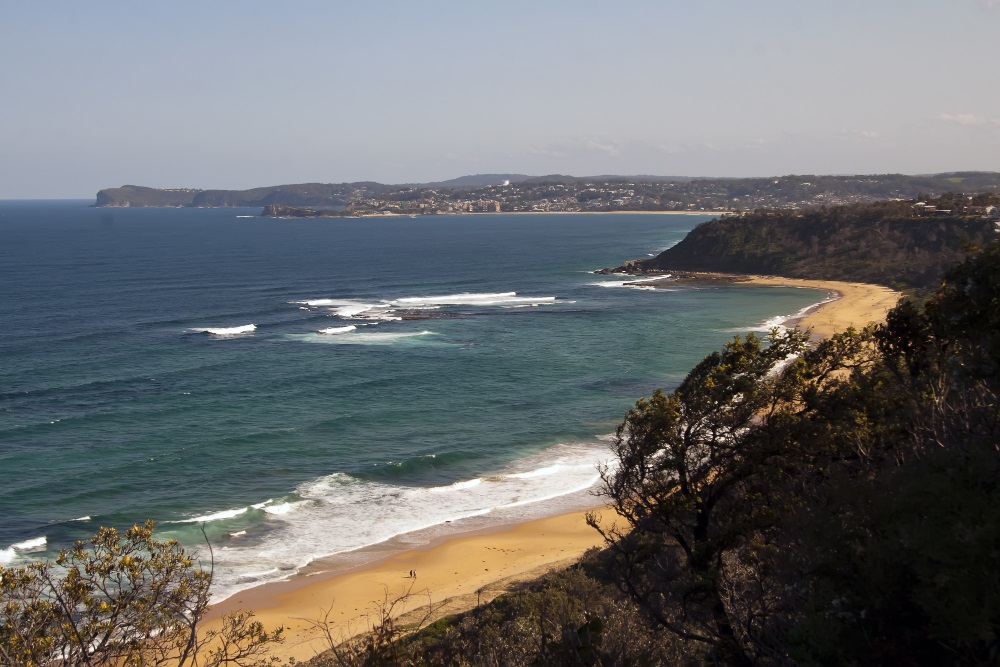
Now, as the Algarve settles into comfortable maturity, the next chapter of Portugal’s coastal evolution appears to be unfolding on the Setúbal Peninsula. It is a region of natural drama — pine forests tumbling down to translucent bays, vineyards threading through limestone hills, dolphins playing in the Sado estuary. More importantly, it is a place where property remains attainable, infrastructure robust and demand on an unmistakably upward curve.
The question being asked by both developers and discerning buyers is no longer “Where is Setúbal?” but rather “How long before it becomes the new Algarve?”
A Market on the Move
Setúbal’s transformation has not been sudden. Over the past ten years, steady investment, urban renewal and the gravitational pull of nearby Lisbon have pushed this city of 120,000 residents into the spotlight. According to data from Portugal’s national statistics agency, average property prices in Setúbal have risen by roughly two-thirds in the past decade — impressive growth by any standard, yet still leaving it far below the capital’s overheated market.
While Lisbon’s city-centre prices hover around €5,000 to €6,000 per square metre and the Algarve’s prime coastal villas exceed €7,000, Setúbal averages a comparatively modest €2,400 per sqm. For investors, that means access to Portugal’s Atlantic splendour at less than half the cost of its better-known rivals.
Rental returns tell a similar story of promise. Long-term lets yield between five and seven per cent annually, while short-term holiday rentals during the summer months can exceed eight or even ten per cent. These figures, coupled with Setúbal’s growing year-round population, have drawn attention from a widening pool of international buyers — from French and Dutch retirees to British families and, more recently, American remote workers searching for European sunshine within commuting distance of a major capital.
The pattern is familiar to those who watched the Algarve’s rise in the 1980s and 1990s: undervalued property, improving infrastructure, lifestyle magnetism, and a moment of international discovery.
Gateway to the Atlantic
Geography alone gives Setúbal its advantage. Located forty minutes south of Lisbon, it is close enough to share the capital’s economic energy but far enough to retain its coastal calm. The A2 motorway links the two seamlessly, while the commuter train from Lisbon’s Entrecampos station takes under an hour.
Lisbon Airport, one of Europe’s busiest gateways, lies within comfortable reach, providing direct flights to more than a hundred destinations. For international homeowners, that proximity delivers something precious — the ability to enjoy a weekend in Portugal without the marathon journey often required to reach the Algarve.
Setúbal itself sits where the River Sado meets the Atlantic, a landscape defined by contrast: broad estuary, mountain backdrop and the glinting arc of the Tróia Peninsula across the water. The view from the marina at sunset — fishing boats gliding past as ferries shuttle towards Tróia — has become one of the most emblematic scenes in modern Portugal.
This natural amphitheatre does more than please the eye; it underwrites the local economy. The port remains one of the country’s busiest, handling exports from Volkswagen’s AutoEuropa plant and hosting a thriving ship-repair industry. That working vitality gives Setúbal a year-round heartbeat absent from many purely touristic towns.
From Industry to Inspiration
For much of the twentieth century Setúbal’s identity was defined by labour and salt — shipbuilding, fish canning and cork exports. When those industries declined, the city endured the typical growing pains of post-industrial Europe. Yet over the past twenty years, Setúbal has reinvented itself with purpose and intelligence.
The Câmara Municipal embarked on a far-reaching regeneration drive. Historic streets such as Praça do Bocage were repaved, the seafront promenade transformed, and the once-neglected old quarter restored to pastel perfection. Where warehouses once stood, cafés and boutique hotels now thrive.
Cultural investment followed. Festivals celebrating jazz, cinema and gastronomy have turned Setúbal into a weekend escape for Lisbon’s middle class. Galleries and design studios have colonised the narrow lanes near the cathedral, while the local university and polytechnic attract a steady stream of students.
This blend of heritage and modernity — maritime grit softened by Mediterranean charm — gives Setúbal a personality distinct from anywhere else in Portugal.
The Tróia Connection
Directly across the estuary lies the Tróia Peninsula, an exquisite finger of sand stretching towards Comporta. Long the preserve of Lisbon’s elite, Tróia is now on the radar of international investors who view it as Portugal’s discreet answer to the Hamptons.
A short ferry ride from Setúbal delivers one to a world of pine-fringed beaches, modern eco-resorts and waterfront villas priced from the low millions. The Tróia Resort, developed with meticulous environmental sensitivity, has set new standards for low-impact luxury. Villas are designed to blend into the dunes, not dominate them, and planning regulations ensure space and privacy.
The synergy between Setúbal and Tróia is fundamental. The city provides the commercial backbone — shops, services, schools — while Tróia delivers the glamour. Together they form a twin-engine market: one urban, one resort, each strengthening the other’s appeal.
Comparing the Coastlines
It is tempting to view Setúbal as the Algarve’s successor, but in truth it is something subtly different. The Algarve’s success was built on deliberate resort development: golf courses, gated communities, and a highly international clientele. Setúbal’s rise has been more organic — a city improving itself rather than a region designed for outsiders.
Yet parallels are undeniable. The Algarve of forty years ago was similarly affordable, similarly blessed with natural beauty, and similarly underestimated by international capital. Investors who bought early then have since enjoyed decades of appreciation.
Today’s Setúbal exhibits many of the same early-stage indicators: infrastructure investment, growing tourism, and a widening awareness among global buyers. Unlike the Algarve, however, Setúbal offers a real urban economy alongside its beaches — a factor that cushions it against seasonal volatility.
Life Between Mountain and Sea
Beyond numbers, Setúbal’s magnetism lies in its setting. To the west rises the Arrábida Natural Park, a limestone mountain range cloaked in olive and oak. Its winding roads reveal hidden coves — Portinho da Arrábida, Figueirinha, Galápos — whose emerald waters rival those of Sardinia or Croatia.
Residents often speak of the paradox of living within a functioning city yet being minutes from nature of postcard perfection. Hikers, cyclists and sailors share the same playground, while the nearby Azeitão wine region, with its muscatel vines and artisanal cheese producers, adds rural charm to the metropolitan mix.
The Sado estuary, home to one of Europe’s only resident pods of bottlenose dolphins, provides an eco-tourism attraction that underpins sustainable visitation rather than mass tourism. This commitment to nature and culture aligns perfectly with the priorities of modern investors seeking long-term, responsible value.
A Flourishing Food and Wine Scene
Portugal’s culinary revolution has not bypassed Setúbal. The city’s fish market, Mercado do Livramento, is routinely hailed as one of the best in Europe, its stalls overflowing with tuna, sea bream and oysters from nearby nurseries. The waterfront brims with seafood restaurants serving the region’s signature dish, choco frito — golden strips of fried cuttlefish best enjoyed with a chilled glass of Moscatel de Setúbal.
Beyond the casual tavernas, a new wave of fine dining has arrived. Young chefs trained in Lisbon and abroad are opening kitchens that fuse Atlantic ingredients with cosmopolitan flair. Gastronomy, once an afterthought, is fast becoming a pillar of the region’s identity and an additional driver of tourism demand.
The Numbers Behind the Narrative
Behind the romantic scenery lies a sound economic story. Setúbal’s diversified base — from port logistics and car manufacturing to tourism and renewable energy — has insulated it from the boom-and-bust cycles that affect purely seasonal markets.
Employment remains strong, and the city’s population is growing as families priced out of Lisbon seek affordable housing within commuting distance. Developers, recognising the shift, are launching mid-scale apartment projects in the city centre alongside luxury villas overlooking the park and estuary.
Prices for renovated townhouses begin around €200,000, while modern apartments with river views command €400,000 to €600,000. Detached villas with gardens and pools in the hills of Palmela or Azeitão range between €800,000 and €1.5 million.
Such diversity — and affordability relative to Lisbon or the Algarve — ensures a wide buyer base and healthy resale liquidity.
Tourism and the Rental Proposition
Setúbal’s tourism numbers tell a story of rapid ascent. The city now welcomes more than a million overnight visitors each year, many arriving on weekend breaks from Lisbon or via cruise ships docking at the port. Boutique hotels have multiplied, yet demand for short-stay apartments continues to exceed supply.
Average daily rates for well-located rentals have risen steadily, and occupancy remains strong well beyond the summer season. Long-term corporate demand — particularly from the industrial and maritime sectors — provides further stability for investors seeking consistent income.
Unlike resort areas that fall silent in winter, Setúbal’s year-round economy ensures a steady rhythm of tenants and visitors. It is this blend of tourism and industry that gives the city resilience and underpins its reputation as a “working paradise”.
Regulation, Security and Ease of Ownership
For foreign investors, Portugal’s property framework remains among the most transparent in Europe. There are no restrictions on non-resident ownership, and the buying process is both straightforward and secure.
A Portuguese Tax Identification Number (NIF) is required, followed by legal due diligence and a Promissory Contract usually accompanied by a ten per cent deposit. Completion before a notary finalises the transaction. Total acquisition costs, including taxes and fees, average between eight and ten per cent of the purchase price.
Annual municipal property tax, known as IMI, typically ranges from 0.3 to 0.5 per cent of the property’s rateable value. Portugal imposes no inheritance tax for direct heirs and no wealth tax. The Non-Habitual Resident regime continues to offer favourable income-tax treatment for new arrivals.
Mortgage availability is robust, with local banks extending loans of up to eighty per cent of valuation to foreign buyers.
Add to this Portugal’s reputation for political stability and safety — it consistently ranks among the top five nations worldwide in the Global Peace Index — and the investment case strengthens further.
The Spirit of Sustainability
Setúbal’s rise has coincided with Portugal’s broader commitment to sustainability. The municipality has launched ambitious green initiatives, from solar-powered public buildings to electric mobility schemes. New housing developments must meet stringent environmental standards, and energy-efficient retrofitting is actively encouraged through municipal grants.
The city’s location between a protected mountain park and a marine reserve has instilled a culture of environmental stewardship. For investors, this matters: in an age where sustainable credentials increasingly influence property valuations, Setúbal’s eco-conscious approach provides both moral comfort and financial security.
The Wider Region: Comporta and Beyond
Beyond Tróia, the coastal plain unfurls southwards towards Comporta and Melides, now internationally renowned for their discreet, design-led luxury. Once rustic farming villages, these areas have drawn architects, artists and global entrepreneurs seeking privacy amid the dunes.
Land prices there have soared accordingly, pushing many would-be buyers to look north across the estuary. Setúbal, by contrast, offers proximity without pretension — the same sunsets and sandbanks at a fraction of the price.
This dynamic echoes the Algarve’s own evolution, where towns such as Lagos and Alvor thrived as affordable alternatives to Quinta do Lago. History, it seems, may be repeating itself — only faster.
Investors’ Outlook
Analysts anticipate steady appreciation in Setúbal’s property values over the coming years, fuelled by limited supply of waterfront land, a diversified economy and continued international exposure. Annual growth of four to six per cent appears sustainable — a balance between dynamism and discipline.
Crucially, Setúbal’s fundamentals are organic rather than manufactured. It is not a speculative playground built on borrowed demand, but a functioning city gradually realising its potential. That intrinsic stability gives investors confidence to hold for the long term, reassured that value here rests on substance, not hype.
Portugal’s macroeconomic picture reinforces that optimism. Inflation remains moderate, interest rates manageable, and the nation’s reputation as a safe European haven continues to draw capital from across continents.
The Verdict
Is Setúbal the next Algarve? Perhaps not in style — and that is precisely its strength. Where the Algarve offers curated luxury, Setúbal offers authenticity. It is a place where fishermen still mend nets beside a newly opened wine bar, where dolphins surface beyond the ferry wake, and where one can buy a waterfront apartment for the price of a modest townhouse in southern England.
For investors, it represents what every mature market eventually needs: a new frontier of affordability backed by infrastructure, lifestyle and credibility. For Portugal, it symbolises balance — growth beyond the capital and glamour beyond the Algarve.
Those who recognised the Algarve’s potential in its early years reaped the rewards for decades. Setúbal now stands at a similar crossroads. The ingredients are all present: location, momentum, and international curiosity. The only missing piece is time — and the investors bold enough to buy before everyone else does.
Financial Disclaimer: The information provided in this article is for general informational purposes only and does not constitute financial advice. While every effort has been made to ensure the accuracy of the content, market conditions may change, and unforeseen risks may arise. The author and publisher of this article do not accept liability for any losses or damages arising directly or indirectly from the use of the information contained herein.
Copyright 2025: portugalhousesforsale.com