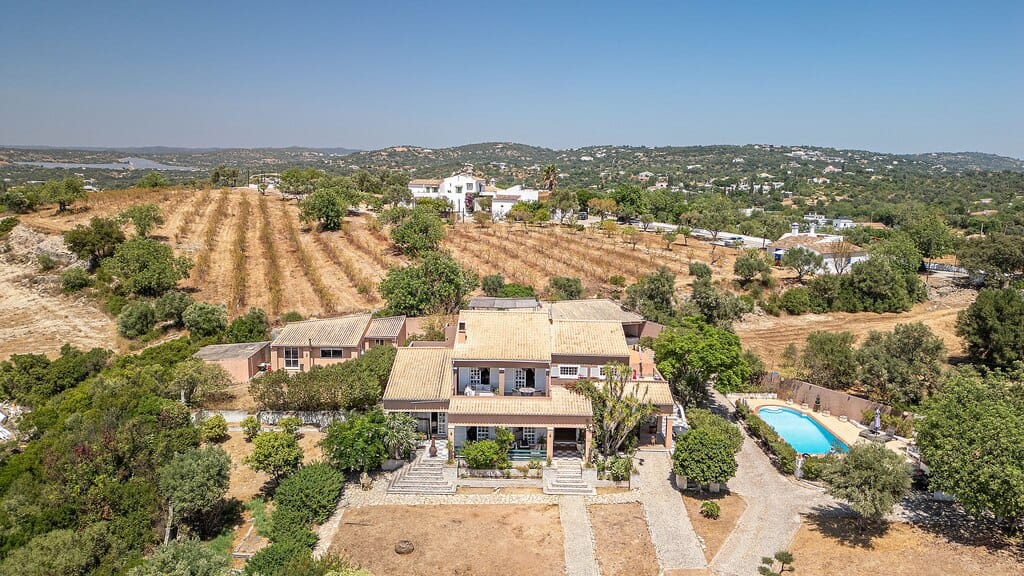
Portugal’s Villa Market: Where Lifestyle and Investment Align
The words “Portugal villas for sale” have become something of a signal in international property circles — shorthand for sun-drenched stability, dependable value, and an enviable lifestyle underpinned by sound economics. From the honeyed cliffs of the Algarve to the silver sands of the Atlantic coast, the nation has become a magnet for discerning buyers who want more than a holiday home. They want a foothold in a safe, well-governed European economy where property ownership still feels tangible and uncomplicated.
Portugal’s villa market has matured into one of Europe’s most sought-after and resilient sectors. It offers a combination few other destinations can match: Mediterranean charm, fiscal prudence, and the steady hand of an EU member state with a transparent legal framework. Villas, in particular, remain the crown jewel of the country’s housing stock — combining privacy and space with a climate that encourages outdoor living for much of the year.
As global investors reassess where lifestyle and capital growth intersect, Portugal’s detached homes, hilltop estates, and seaside retreats have emerged as the archetype of safe, long-term investment.
A Market Grounded in Confidence
Property, by its nature, is cyclical. Yet Portugal has proved remarkably consistent through Europe’s economic ebbs and flows. While other southern European markets have wrestled with volatility or overdevelopment, Portugal’s villa market has remained steady thanks to careful planning and sustained foreign demand.
According to data from the Instituto Nacional de Estatística (INE), national housing prices rose steadily over the past year, reflecting continued domestic and international confidence. Villas in particular — especially in the Algarve and Lisbon’s coastal outskirts — have outperformed apartments in value retention and rental yield.
Average villa prices across Portugal hover around €3,200 per square metre, though that figure conceals striking regional diversity. In the Algarve, luxury villas in gated communities such as Quinta do Lago and Vale do Lobo often exceed €7,000–€9,000 per sqm, while inland or lesser-known municipalities like Silves and Monchique offer spacious properties starting from €2,000 per sqm. In the Lisbon region, detached homes along the Cascais and Estoril coastline regularly command €6,000 per sqm or more, driven by limited availability and strong expat demand.
Despite this upward trend, Portugal’s villas remain relatively affordable when compared with similar markets in Spain, France, or Italy. The difference is not just in price — it’s in reliability. Portugal’s governance, environmental protection, and modest transaction costs have created a property ecosystem that rewards patience and prudence rather than speculation.
The Enduring Appeal of the Algarve
For many, the Algarve remains the natural starting point for any discussion about Portuguese villas. Its sun-soaked coastline stretches more than 150 kilometres, punctuated by beaches, golf resorts, and charming fishing villages. But beyond the postcard image lies an economy built on robust tourism and rising long-term residency.
Estate agencies such as Fine & Country Algarve, Savills Portugal, and Spot Blue International Property continue to report sustained interest from the UK, France, Germany, the Netherlands, and Scandinavia. Increasingly, however, American and Canadian buyers have entered the market, attracted by Portugal’s safety, Eurozone stability, and relative affordability.
A three-bedroom villa with a pool in the central Algarve typically starts from €750,000, while premium homes in Quinta do Lago or Vale do Lobo often sell for €3 million to €10 million, depending on size and location. More rural properties inland, often on larger plots, can be found for €400,000–€600,000, offering exceptional value for buyers willing to trade proximity to the sea for tranquillity.
Rental demand remains strong throughout the year. According to Turismo de Portugal, the Algarve accounts for nearly 40% of all overnight stays nationwide, ensuring consistent occupancy rates. Villas with tourist licences (Alojamento Local) regularly achieve 5–7% annual yields, particularly when managed by established agencies.
The region’s climate — over 300 days of sunshine annually — guarantees one of Europe’s longest rental seasons. Add in Faro International Airport’s extensive flight network and it’s easy to understand why Algarve villas have become such a cornerstone of Portugal’s property appeal.
Lisbon, Cascais, and the Coast of Sophistication
While the Algarve represents the country’s leisure heartland, the Lisbon metropolitan area embodies modern Portuguese sophistication. Villas in Cascais, Estoril, and Sintra blend coastal grandeur with urban convenience, attracting diplomats, entrepreneurs, and professionals relocating from Europe and beyond.
Prices in Cascais average around €6,500 per sqm, with waterfront or golf-facing villas commanding a premium. In nearby Sintra, UNESCO-listed landscapes and palatial architecture provide a more secluded backdrop, with restored heritage homes selling for €2 million and above.
International schools, high-end retail, and proximity to Lisbon’s business district have made this region particularly appealing to permanent residents rather than seasonal buyers. For investors, that translates into steady long-term rental demand and strong resale liquidity.
Lisbon’s own suburban belt, including Oeiras and Aroeira, has also seen an uptick in villa construction, often blending minimalist design with sustainability credentials. Many developments now feature solar panels, energy-efficient systems, and smart home technology, aligning with European green building trends.
Northern Portugal: Space, Heritage, and Emerging Value
Portugal’s north, anchored by Porto, offers a quieter, more traditional setting for villa buyers seeking authenticity over glamour. The Douro Valley, famed for its terraced vineyards and river vistas, has attracted a new class of investor — one seeking agritourism potential or long-term lifestyle balance.
Here, villas and farmhouses (quintas) average €2,000–€3,000 per sqm, with vast land plots often included. Regions like Braga and Guimarães are gaining attention for their quality of life and infrastructure, while still offering property prices significantly below the national average.
For investors, northern Portugal presents an opportunity for diversification. As infrastructure and connectivity improve, value appreciation appears likely to mirror the earlier trajectory of the Algarve — but from a lower base.
The Silver Coast and Atlantic West: The Smart Alternative
For buyers looking to balance affordability with coastal living, Portugal’s Silver Coast — stretching from Nazaré to Peniche and Óbidos — provides an increasingly popular alternative. Villas here typically cost 30–40% less than comparable Algarve properties, yet offer sweeping ocean views and easy access to Lisbon (around an hour by car).
The region’s steady rise has been fuelled by international remote workers and surfers, drawn by a lifestyle that combines open space with connectivity. Resorts such as Praia D’El Rey and West Cliffs have cemented the Silver Coast’s reputation for quality, particularly among Northern European buyers seeking modern villas without the Algarve price tag.
With improved road and broadband infrastructure, the Silver Coast’s long-term outlook remains positive. The area has already seen double-digit annual growth in transaction volumes, according to data from the Portuguese Real Estate Professionals Association (APEMIP).
The Buying Process: Clarity and Protection
Portugal’s property purchase process is among the most transparent in Europe, designed to protect both buyer and seller. Nonetheless, it pays to engage professionals early.
A bilingual lawyer is essential to verify title deeds, check planning permissions, and ensure no encumbrances exist. Buyers should obtain a Portuguese tax number (NIF), open a local bank account, and expect to sign a promissory contract (Contrato de Promessa de Compra e Venda) after due diligence. A typical 10% deposit is paid at this stage.
Completion follows with the escritura pública (final deed), signed before a notary. Transfer taxes (IMT) and stamp duty generally total 8–10% of the property price. Annual municipal tax (IMI) is modest, ranging between 0.3% and 0.5%, depending on the municipality.
Mortgages are widely available for non-residents, often up to 70–80% of the purchase price. Portugal’s conservative banking practices and stable Euro interest rates contribute to a secure financing environment.
Investors can access tools such as the Bank of Portugal’s mortgage simulator or the IMT calculator on the Portal das Finanças website to estimate costs accurately.
Sustainability: Portugal’s New Luxury
Modern villa design in Portugal increasingly intertwines with sustainability. The days of energy-hungry second homes are giving way to eco-efficient architecture. Solar water systems, green roofs, and recycled building materials are becoming standard.
Developers now aim for Class A or A+ energy ratings, with municipalities such as Loulé, Cascais, and Lagos leading on sustainability incentives. Buyers are equally aware that energy efficiency is not just ethical but economical — reducing ownership costs and enhancing long-term resale value.
Portugal’s abundant sunlight has made solar power adoption widespread, while geothermal systems and smart irrigation technologies are being integrated into new villas. The trend reflects a broader European shift towards sustainable luxury — one that Portugal has embraced with characteristic pragmatism.
The Broader Economic Picture
Portugal’s real estate resilience is closely tied to its broader economic transformation. Over the past decade, the country has diversified its economy, balancing tourism with technology, renewable energy, and exports. Lisbon and Porto now host thriving start-up scenes, supported by foreign investment and a skilled workforce.
Tourism, while vital, is no longer the country’s sole economic pillar. Infrastructure projects — from new motorways to digital corridors — continue to enhance connectivity, particularly between inland regions and the coast.
This macroeconomic stability translates directly into property confidence. The World Bank continues to rank Portugal among the easiest EU countries in which to conduct real estate transactions, reinforcing its reputation for transparency and governance.
Taxation and Ownership Confidence
For investors, Portugal’s tax regime remains among the most competitive in the EU. The Non-Habitual Resident (NHR) programme, though adjusted in recent years, still offers reduced tax on foreign income and pensions for qualifying individuals.
Capital gains tax applies only to realised profits upon sale, and inheritance procedures are notably straightforward compared to France or Spain. There are no restrictions on foreign ownership, and repatriation of funds is unrestricted.
Portugal’s double taxation agreements with the UK, US, Canada, and most European nations ensure that investors avoid duplicate liabilities. These factors, combined with modest transaction costs, contribute to a high degree of confidence among foreign buyers.
Lifestyle Yield: The Hidden Dividend
For many villa buyers, Portugal’s greatest return is intangible — the lifestyle yield. The rhythm of daily life, the blend of tradition and modernity, and the quiet civility that defines Portuguese culture form part of every property’s value proposition.
The country’s safety, healthcare quality, and cost of living further enhance this appeal. The National Health Service (SNS) delivers strong care outcomes, while private hospitals such as Lusíadas and CUF maintain international standards. English is widely spoken, especially in service industries and legal professions, making transition smooth for newcomers.
International schooling options are excellent, with renowned institutions in Lisbon, Cascais, the Algarve, and Porto. This accessibility of services transforms villas from seasonal retreats into viable year-round residences — a factor driving permanent relocations and, in turn, reinforcing property values.
Comparing Portugal to Other Mediterranean Markets
In a Mediterranean context, Portugal continues to stand out for both price and policy. Villas on the French Riviera can cost upwards of €15,000 per sqm, while Italian coastal homes in regions such as Tuscany or Amalfi command €10,000 per sqm or more. Spain’s Costa del Sol remains competitive, but market volatility and heavier taxation weigh on investor sentiment.
Portugal’s blend of moderate prices, legal clarity, and political stability offers a more balanced alternative. The country’s straightforward property laws and absence of speculative oversupply underpin its reputation as the Mediterranean’s most reliable housing market.
Future Prospects: Measured Growth Ahead
Analysts predict continued, albeit gradual, appreciation in Portugal’s villa segment. With limited new construction, strong foreign demand, and stable financing conditions, the outlook remains optimistic.
While double-digit price surges are unlikely, the steady upward trajectory of 3–5% annual growth provides comfort to investors who value predictability over rapid spikes. The market’s strength lies in its equilibrium — enough demand to sustain confidence, but enough regulation to prevent overheating.
For buyers, the message is clear: Portugal’s villa market remains open, accessible, and reassuringly solid.
The Verdict
Portugal’s villas represent more than architecture and acreage; they symbolise balance — between aspiration and prudence, between lifestyle and legacy.
In an era when volatility defines most asset classes, Portuguese property offers a rare counterpoint: a market governed by stability, enriched by beauty, and supported by law. Whether overlooking the Atlantic in Cascais, nestled in the vineyards of the Douro, or basking under the Algarve sun, owning a villa in Portugal remains both an emotional and financial investment in certainty.
For the global buyer searching “Portugal villas for sale,” the conclusion is as clear as the country’s blue skies — Portugal is where Europe’s best property stories continue to unfold.
Financial Disclaimer: The information provided in this article is for general informational purposes only and does not constitute financial advice. While every effort has been made to ensure the accuracy of the content, market conditions may change, and unforeseen risks may arise. The author and publisher of this article do not accept liability for any losses or damages arising directly or indirectly from the use of the information contained herein.
Copyright 2025: portugalhousesforsale.com