From the PortugalHousesForSale Property Desk
The Atlantic’s Jewel of Stability
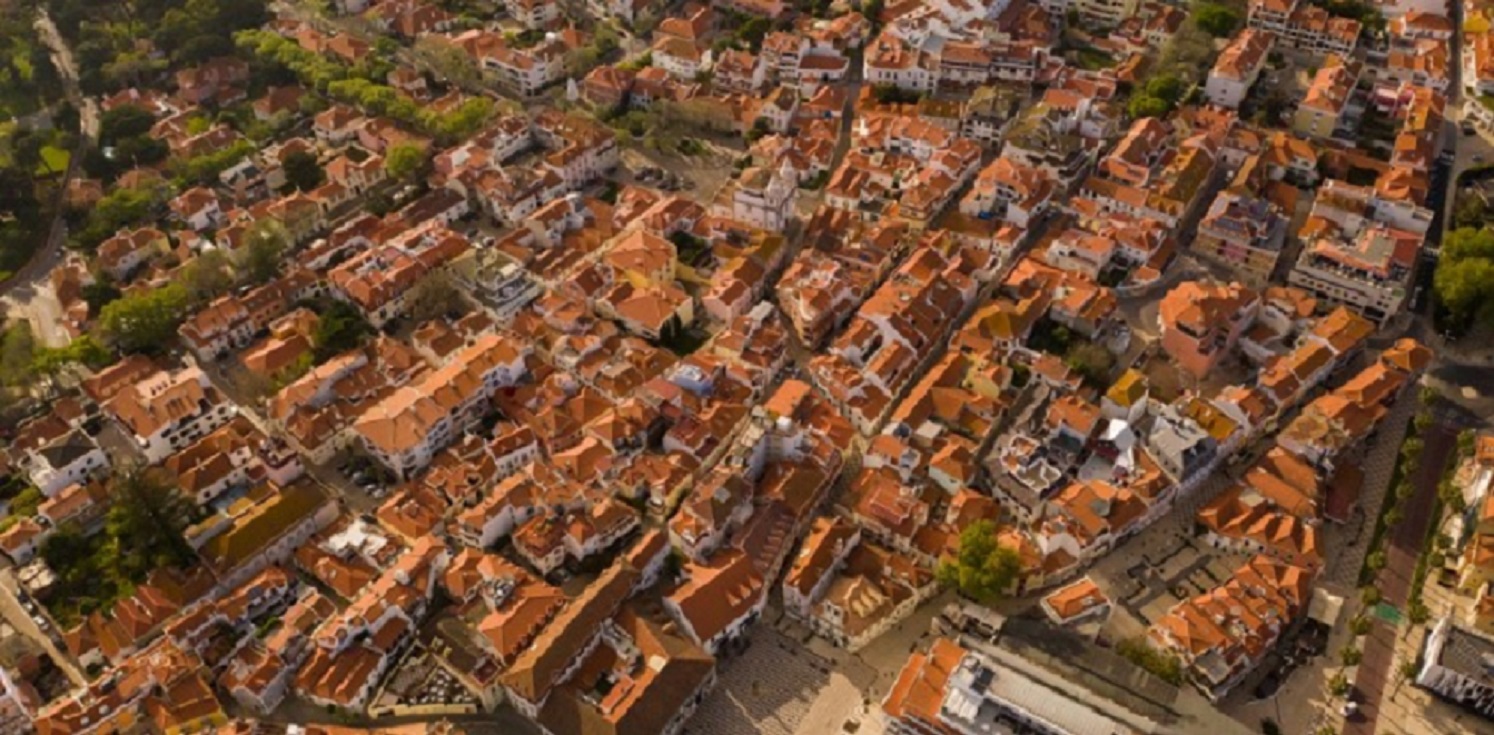
Perched gracefully along Portugal’s western coast, just 30 kilometres from Lisbon, Cascais has long been the country’s most elegant expression of seaside living. Known as the Portuguese Riviera, this once-sleepy fishing town has evolved into a magnet for global investors, drawn by its coastal charm, economic stability, and cosmopolitan polish.
For buyers, Cascais offers the ultimate combination: proximity to a world-class capital, a Mediterranean climate, and a property market that has consistently demonstrated strength, even amid broader European turbulence.
Yet Cascais is more than a place of picturesque villas and waterfront promenades. It is a barometer for Portugal’s economic confidence — a town whose real estate performance reflects both domestic prosperity and international faith in the nation’s long-term trajectory.
As the property market recalibrates after years of record growth, Cascais stands resilient — an enduring beacon for discerning investors who see value not in volatility but in verified stability.
A Decade of Transformation
The Cascais of today is a masterclass in urban reinvention. Once the summer retreat of Portuguese royalty and European aristocracy, the town has successfully merged its heritage with modern infrastructure, transforming itself into one of southern Europe’s most desirable property markets.
According to figures from Confidencial Imobiliário and the Instituto Nacional de Estatística (INE), Cascais remains Portugal’s most expensive municipality outside Lisbon, with average residential prices exceeding €5,200 per square metre — a rise of more than 70% over the past decade.
In premium areas such as Monte Estoril, Quinta da Marinha, and Gandarinha, prices routinely exceed €10,000 per sqm, with newly built luxury villas reaching €3–8 million. Waterfront apartments, particularly those with direct ocean views, command premiums of up to 25% above inland equivalents.
While these figures might daunt first-time buyers, seasoned investors recognise the underlying value. Cascais has not experienced the speculative excess seen in other European luxury markets. Instead, its growth has been measured, underpinned by scarcity, infrastructure, and global demand for security and quality of life.
Why Investors Keep Returning
Strategic Location and Accessibility
Cascais’s greatest advantage is geographical. A 35-minute drive along the scenic A5 motorway connects the town to Lisbon and its international airport, while the coastal train line linking Cais do Sodré station to Cascais provides a daily commute as beautiful as it is practical.
For foreign investors, this proximity means a rare duality: a resort atmosphere without isolation, a coastal retreat within easy reach of one of Europe’s most vibrant capitals. Lisbon’s ongoing expansion — from tech investment to global tourism — has inevitably spilled westward, reinforcing Cascais’s position as both residential suburb and international destination.
Lifestyle and Liveability
Cascais consistently ranks among Europe’s top locations for quality of life. Its mix of cultural sophistication, mild climate, and natural beauty create a lifestyle that blends continental elegance with Atlantic openness.
The Marina de Cascais, one of Portugal’s premier sailing ports, anchors a social scene that rivals that of Saint-Tropez or Marbella — albeit with understated Portuguese charm. Cafés and galleries line the cobbled streets, while Michelin-rated restaurants and designer boutiques serve an increasingly global clientele.
Beyond leisure, Cascais offers world-class infrastructure: private hospitals such as CUF Cascais and Hospital da Luz, bilingual international schools including St. Julian’s and King’s College, and high-speed fibre connectivity — all of which support year-round living and remote working.
For investors, these are not simply lifestyle embellishments; they are the backbone of sustained rental and resale demand.
The Real Estate Landscape: Diversity and Demand
Cascais’s property market is defined by diversity — from historic villas to ultra-modern penthouses, from ocean-view estates to gated golf communities.
The Classic Core
Neighbourhoods such as Gandarinha and Monte Estoril embody Cascais’s Belle Époque legacy. Here, 19th-century mansions and elegant townhouses sit amid manicured gardens and sea views. Many have been meticulously restored, offering a blend of heritage architecture and modern amenities.
These properties, often between €2 million and €6 million, attract buyers seeking rarity and prestige — the kind of assets that appreciate steadily regardless of broader market conditions.
The Contemporary Coast
Further west, in areas like Quinta da Marinha and Areia, contemporary villas dominate the landscape. Gated developments with private pools, smart-home systems, and energy-efficient design cater to international buyers prioritising comfort, security, and sustainability.
Prices here range from €1.5 million to over €10 million, depending on plot size, design, and proximity to golf courses or the sea.
The Urban Renaissance
Cascais’s town centre has undergone extensive regeneration, with developers focusing on boutique apartments and mixed-use projects. Modern flats within walking distance of the marina or train station typically range between €600,000 and €1.5 million, appealing to professionals, retirees, and investors targeting high-end rental yields.
The Outlying Advantage
For those seeking value, the outskirts of Cascais — including Carcavelos, Parede, and Alcabideche — offer excellent opportunities. Prices here are 20–40% lower than in the town’s prime zones, yet accessibility and infrastructure remain strong.
These districts are becoming popular with younger Portuguese families and digital expatriates, creating a balanced demographic and a healthy pipeline of long-term rental demand.
The Rental Market: Year-Round Returns
While Cascais attracts tourists in summer, it is far from a seasonal economy. Long-term rental demand remains robust, driven by expatriates, diplomats, and corporate professionals linked to Lisbon’s international business scene.
According to Idealista data, average monthly rents in Cascais hover around €20–€25 per square metre, with premium properties achieving upwards of €30 per sqm. A modern two-bedroom apartment in a desirable area can fetch between €2,000 and €3,500 per month, while luxury villas command €8,000–€15,000 monthly during peak season.
Gross rental yields average 4–6%, but high-end short-term lets through licensed Alojamento Local operations can achieve 7–9%. Importantly, Cascais’s consistent international audience — from British retirees to Scandinavian remote workers — ensures stable occupancy rates throughout the year.
With Lisbon’s urban rents soaring and remote work reshaping residential trends, Cascais now serves as a lifestyle alternative to city living — offering both capital appreciation and dependable cash flow.
The International Buyer Base
Cascais’s property market is one of the most cosmopolitan in Europe. While domestic buyers still represent roughly 40% of transactions, international purchasers — particularly from the United Kingdom, France, the United States, Brazil, South Africa, and Northern Europe — continue to drive the upper tier of the market.
American interest, in particular, has surged, fuelled by Portugal’s safety, tax transparency, and comparative affordability. As luxury buyers from Los Angeles or New York increasingly look for European footholds, Cascais has become a clear contender — offering mansion-scale properties at a fraction of global metropolitan costs.
For British and European investors, the post-Brexit landscape has only reinforced Cascais’s appeal: a stable, English-speaking environment within the EU, with year-round flights, established communities, and a predictable legal framework.
Sustainability and Smart Development
Unlike some Mediterranean resorts where overdevelopment has diluted value, Cascais has maintained rigorous planning standards. The Câmara Municipal de Cascais (local council) has championed sustainable growth, limiting high-density construction and prioritising green spaces, cycling networks, and renewable energy infrastructure.
Cascais was one of the first Portuguese municipalities to adopt a Climate Action Plan, aiming for carbon neutrality within the coming decade. Solar energy, electric vehicle networks, and smart waste management systems have become defining features of new residential developments.
For investors, this environmental stewardship translates directly into value protection. Properties with Class A or A+ energy ratings not only command premiums of 10–15% but also align with evolving buyer priorities.
Taxation, Regulation, and Investor Confidence
Portugal remains one of the most transparent and foreign-friendly real estate environments in the EU. There are no restrictions on foreign ownership, and all transactions are securely registered through the Conservatória do Registo Predial (Land Registry).
The buying process is straightforward:
Obtain a Portuguese Tax Identification Number (NIF).
Engage a local lawyer (advogado) to verify the title and contract.
Sign a Promissory Contract (CPCV) with a 10% deposit.
Complete the transaction before a notary, paying transfer tax (IMT) and stamp duty.
Total acquisition costs typically range from 8–10% of the purchase price.
For foreign residents, Portugal’s Non-Habitual Resident (NHR) tax regime offers reduced taxation on foreign income for ten years, while there is no wealth or inheritance tax for direct family members.
Portugal’s mortgage environment remains competitive, with local banks offering financing up to 80% of valuation for non-residents, at historically low interest rates.
These structural advantages, combined with Portugal’s membership of the Eurozone and its high ranking on the Global Peace Index, provide rare investment security within Europe’s southern markets.
Comparative Advantage: Cascais versus Other European Resorts
Cascais’s appeal is often likened to that of the Côte d’Azur or Marbella, yet it offers a more measured price-to-quality ratio.
Côte d’Azur (France): Average prime property prices exceed €20,000 per sqm — double Cascais’s equivalent.
Marbella (Spain): Comparable sunshine and golf amenities, but higher transaction costs and slower capital appreciation.
Lake Como (Italy): Exceptional beauty, but less accessibility and seasonal demand.
Cascais, by contrast, provides year-round liveability, stable governance, and direct links to Lisbon — Europe’s rising financial and technological hub.
This combination has earned Cascais a place among Europe’s top five lifestyle investment markets, as ranked by Knight Frank’s Wealth Report.
The Long-Term Outlook
Portugal’s real estate market continues to demonstrate resilience, and Cascais remains its bellwether. Analysts forecast annual price growth of 4–6%, sustained by constrained supply, international demand, and the town’s entrenched prestige.
Infrastructure investment — including the Cascais Innovation District and expansion of digital and transport networks — is set to reinforce its long-term economic base. Meanwhile, ongoing tourism diversification ensures that Cascais retains year-round relevance beyond seasonal visitors.
While short-term macroeconomic fluctuations may affect transaction volume, the fundamentals remain unshaken. In Cascais, buyers are not speculators chasing quick returns but investors purchasing legacy assets — homes designed to hold value over generations.
The Verdict
Cascais is not merely a destination — it is a statement. It represents the intersection of heritage, prosperity, and sustainability, standing as proof that luxury and longevity can coexist.
For investors, it offers a secure foothold in one of Europe’s most stable and transparent markets. For homeowners, it promises an enviable quality of life, anchored by sun, sea, and sophistication.
In a global market often defined by uncertainty, Cascais continues to deliver one rare commodity: confidence. And in real estate, confidence is the truest measure of value.
Financial Disclaimer: The information provided in this article is for general informational purposes only and does not constitute financial advice. While every effort has been made to ensure the accuracy of the content, market conditions may change, and unforeseen risks may arise. The author and publisher of this article do not accept liability for any losses or damages arising directly or indirectly from the use of the information contained herein.
Copyright 2025: portugalhousesforsale.com